Four weeks. At the end of it, you see the future of your brand.
Not a workshop in the two-day sense. A four-week programme that starts inside your own leadership team, goes out into the market, brings strategy and creative into the same room, and lands the result across every touchpoint the brand has to live on. Almost every engagement in the index below started here.
4 WEEKSSTAKEHOLDER LEDSTRATEGY AND CREATIVE, TOGETHERONE FINAL PRESENTATION
Everything you know goes in. One decision comes out.Scroll the drawing
BEFORE WEEK ONE
A business knows more than it can use.
Team calls. Leadership interviews. Sales decks. Customer reviews. The competitive set. What the shelf says and what answer engines say. All of it true, none of it in one place, and no two people reading it the same way.
WEEK 1 · INTERVIEWS AND ALIGNMENT
First we listen.
One to one interviews with the people who hold a piece of the brand. Everyone is asked the same questions and almost nobody gives the same answer. That is the finding. At Moss it was one hundred employees, one hour each, on camera.
WEEK 2 · INVESTIGATION
Then we go and look.
The market, the category and the competitive set, read end to end. Pack, site, social, retail, pricing, search. You cannot find the position that is open without proving which ones are already taken.
WEEK 3 · STRATEGY AND CREATIVE, TOGETHER
Then it gets decided.
Most brand problems are unmade decisions. Week three is where they get made, in one room, by the people who can make them. Every thread gets pulled through until one sentence is left that the whole business can stand behind.
WEEK 4 · WHAT YOU LEAVE WITH
One sentence becomes a system.
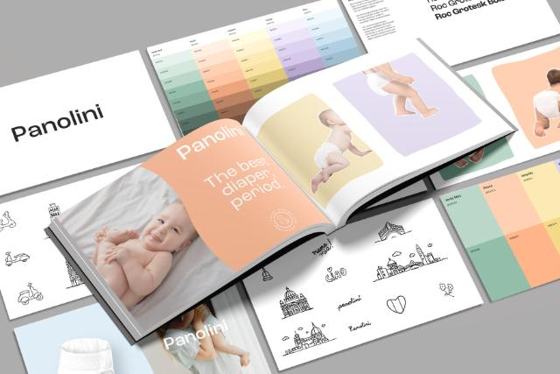
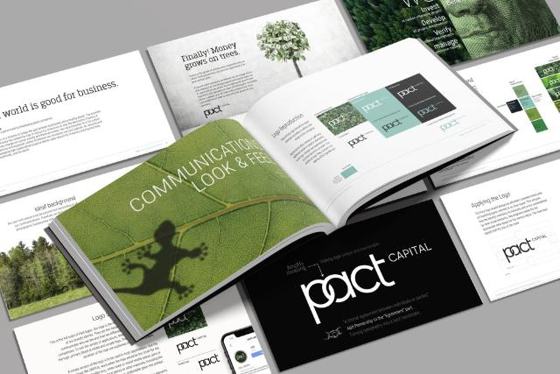
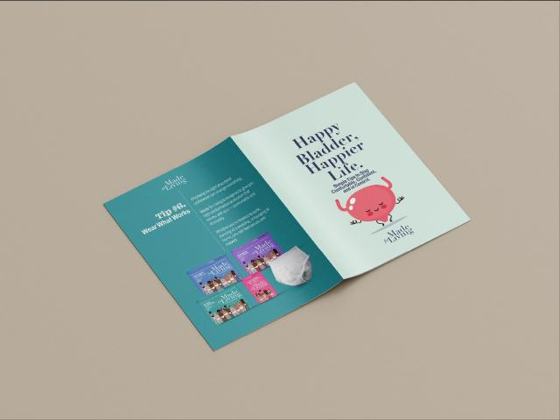
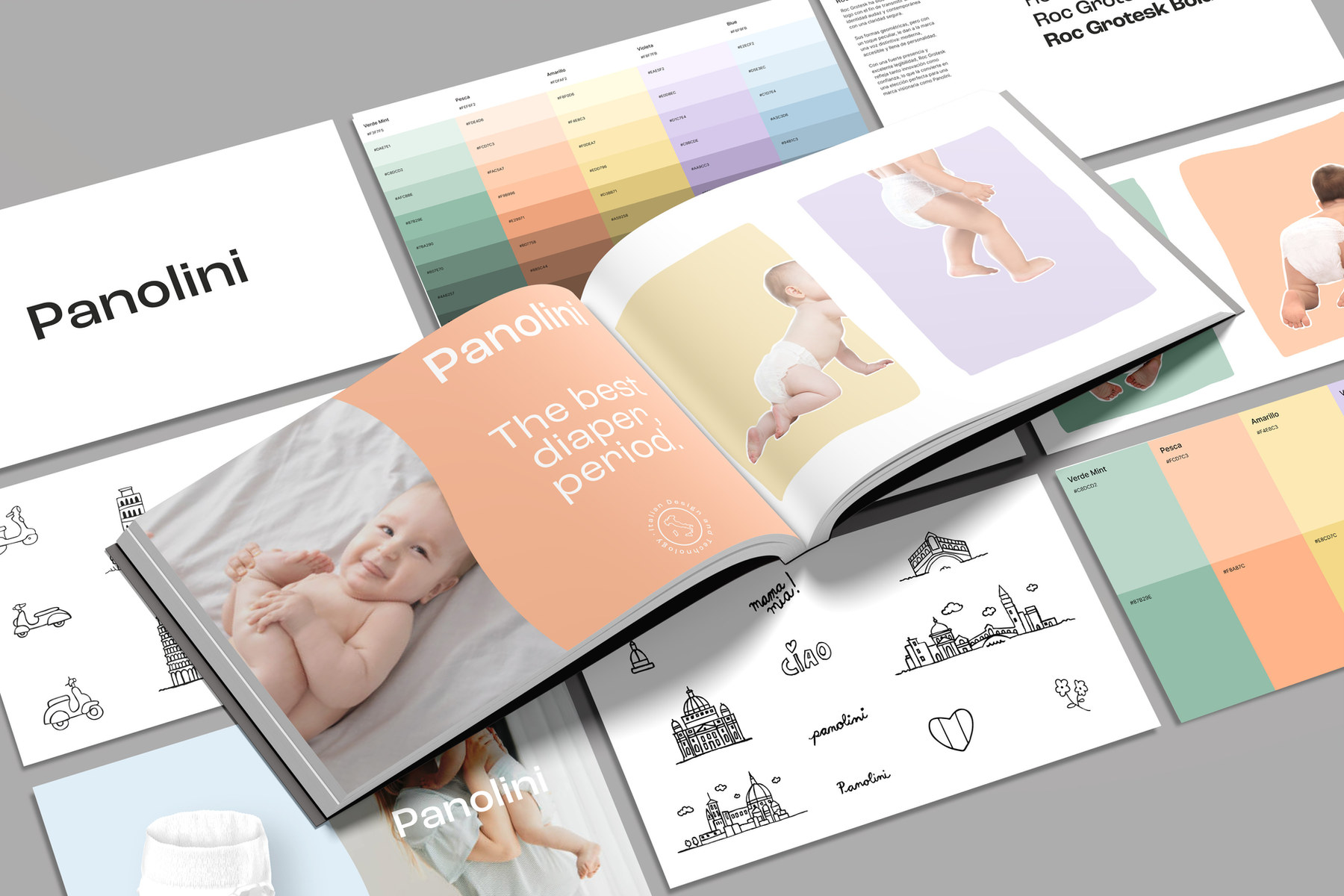
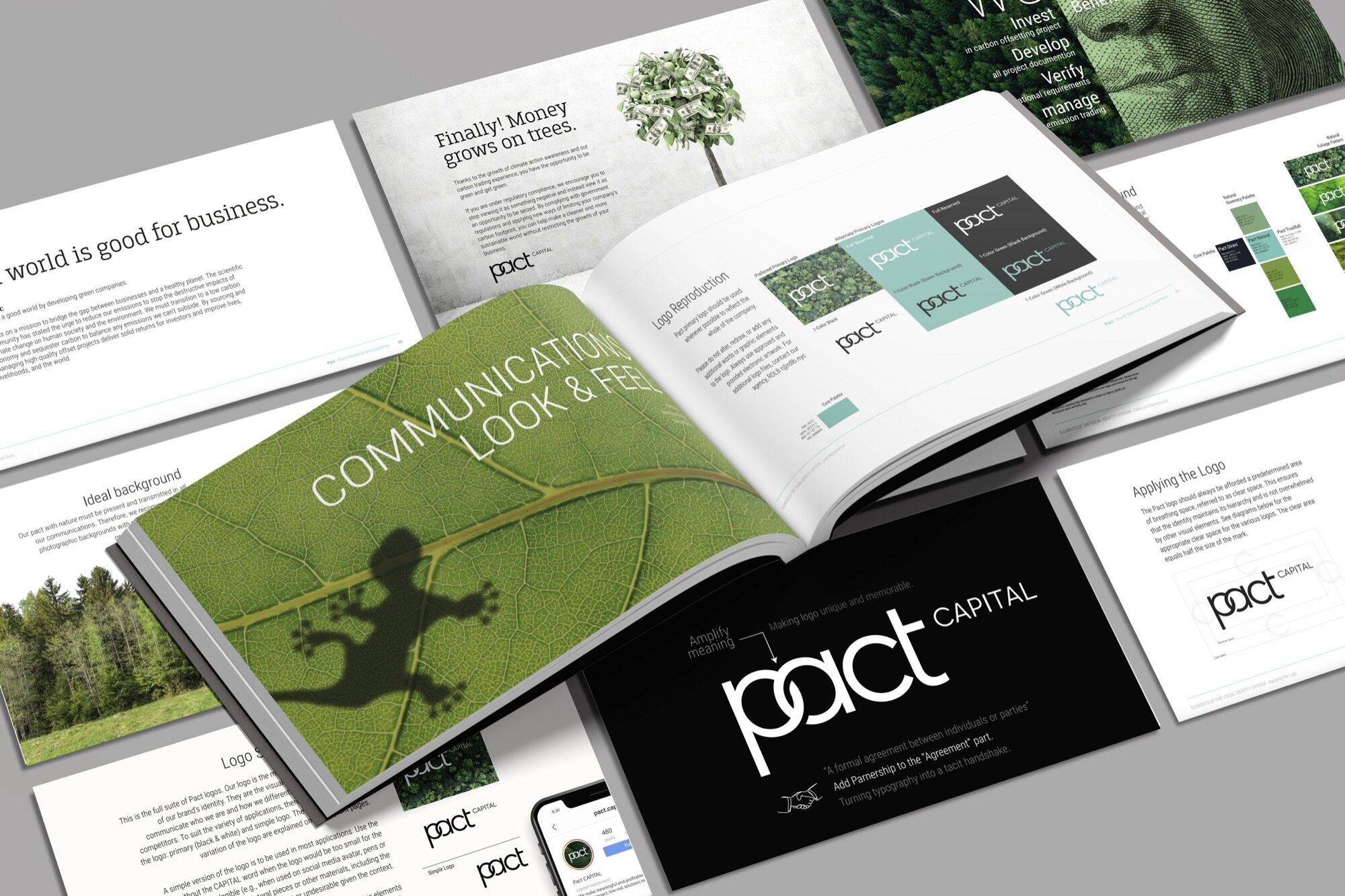
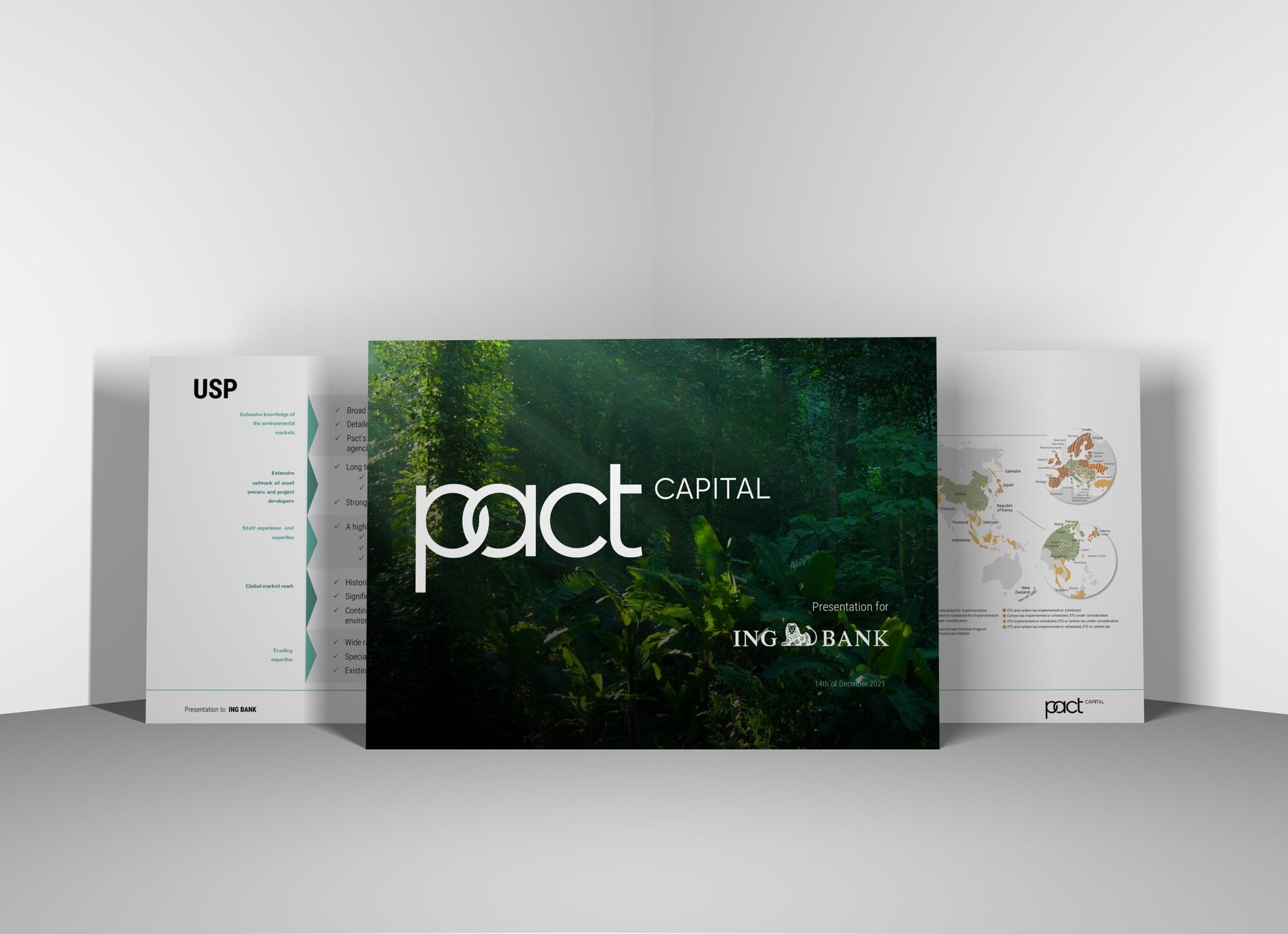
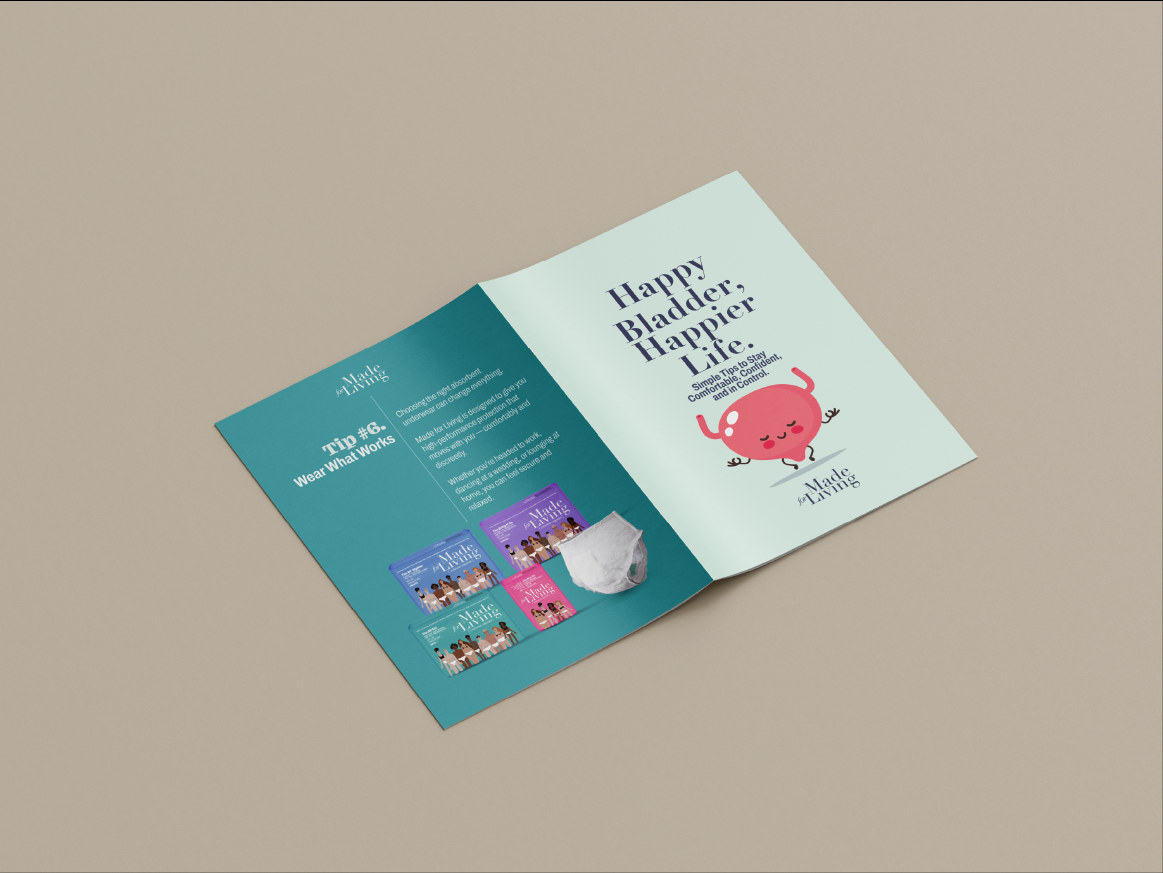
The core turns into three things you can hold: the strategy, the messaging and the design system. Written down, so a person who has never met us can produce against them. The books on the table are real ones: Panolini, PACT Capital, Made for Living.
THE LAB · WHERE THE STUDIO HANDS OVER
The system gets an operating system.
The same three documents are loaded into the AOS, the layer our agents read before they make anything. They listen, draft, design, check, publish and measure, every day, against the decision you made in week three. A person approves what ships.
MULTIPLIED
One decision, on everything.
Pack, site, social, campaign, retail, sales deck, film. Seven surfaces, one argument. The test is the one week four runs: does the word survive contact with the furthest corner of the business.
A customer never sees the workshop. They notice, consider, buy and come back, and at each point the brand says the same true thing. That is what four weeks buys.
WEEK 3 · THE WORK ON THE WALL, STRATEGY AND CREATIVE TOGETHER
WEEK 1 · THE STAKEHOLDER INTERVIEWS
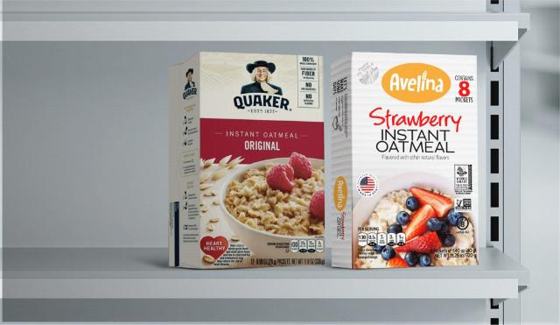
WEEK 2 · THE COMPETITIVE SET, IN PLACE
IN CLOSE · THE FOUR SECONDS THE BRAND ACTUALLY GETS
WHERE MOST BRANDS START · A NAME THAT DESCRIBES A CATALOGUE
WHY IT EXISTS
Most brand problems are not creative problems. They are unmade decisions.
A company with a positioning problem usually has three positions running at once, each held sincerely by a different part of the leadership team, none of them written down. No amount of design resolves that. It has to be decided, in a room, by the people who can decide it.
The workshop is where that gets settled. Week one we listen. Week two we go and find out what is actually true in the market. Week three strategy and creative build the answer together rather than in sequence. Week four it lands on everything the brand touches.
THE OUTPUT · A WRITTEN SYSTEM, NOT A LOOK
THE TEST
Does the word survive contact with the furthest corner of the business?
That is the test week four exists to run. If a line only works for the flagship, it is a campaign, not a structure. At Moss it meant a claim that had to be true of a solar field in Hawai'i as well as a tower in Miami. At 4Sisters it meant a name a Louisiana rice family and a national retail buyer could both stand behind.
THE ARCHITECTURE STEP
Week three, where architecture gets drawn.
A master brand, its expertise lines, its markets and its products, arranged so the business can grow without buying a new brand each time. This is the page clients photograph.
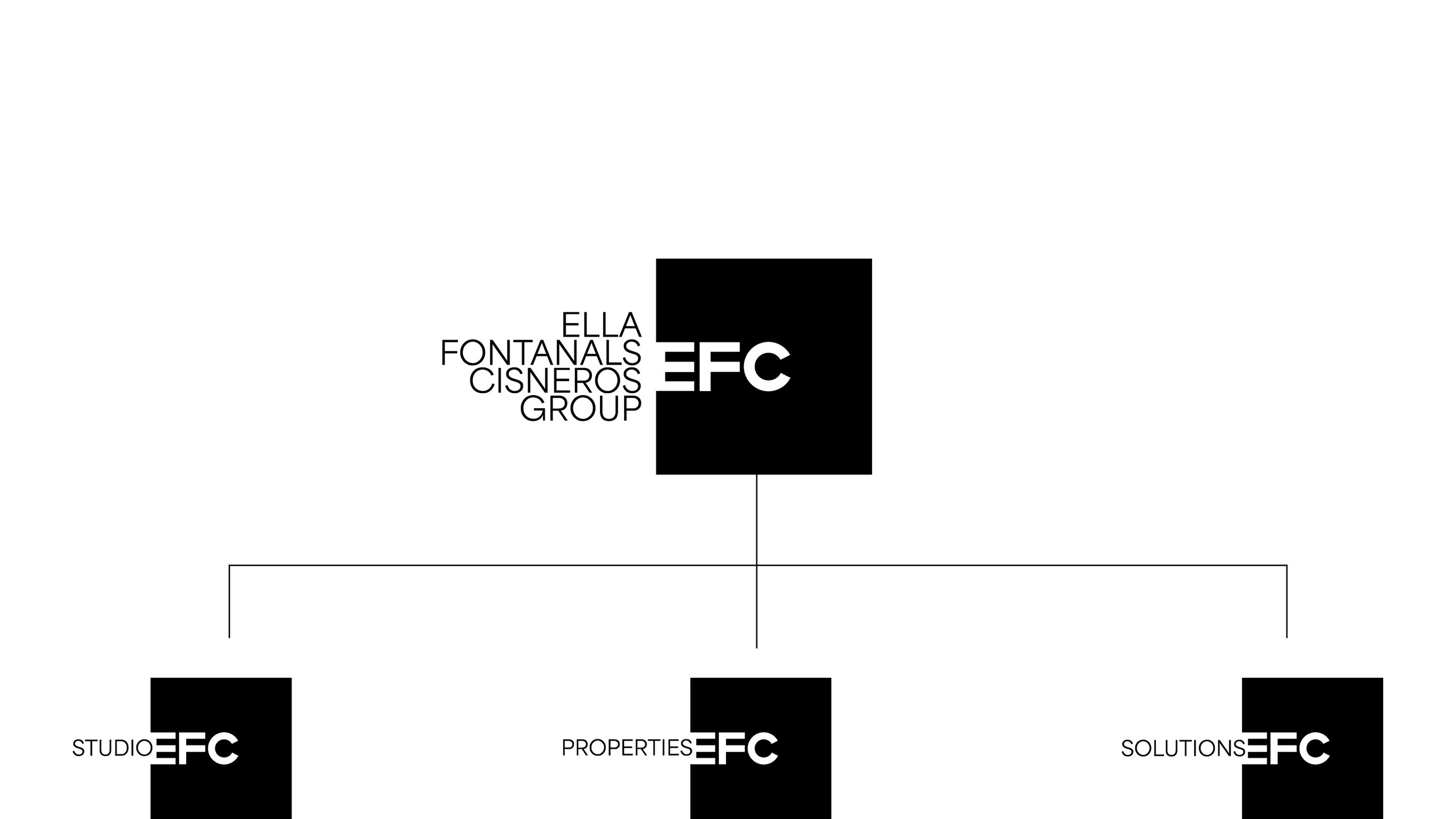
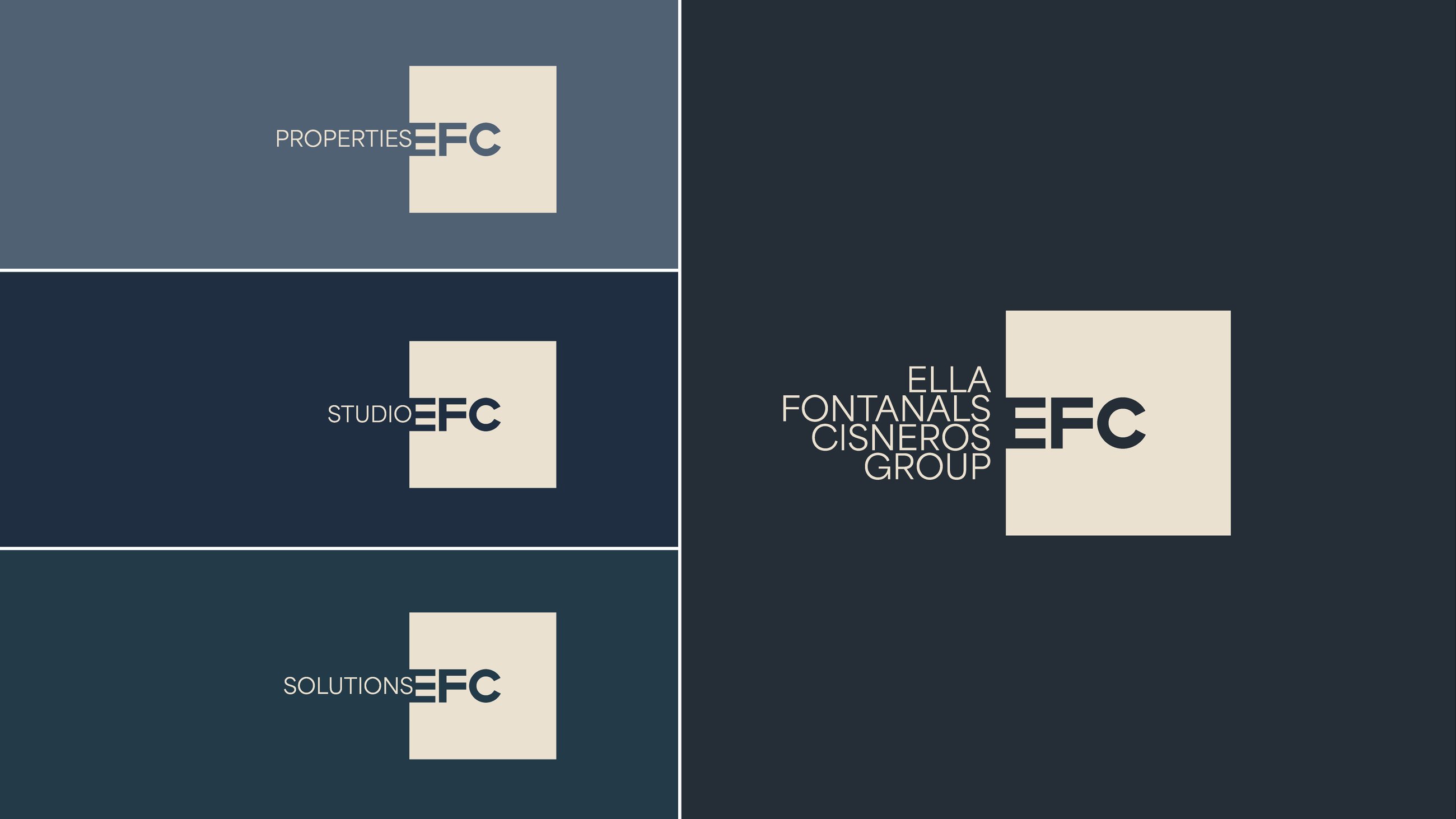
EFC · THE ARCHITECTURE, AS DRAWN FOR THE FAMILY
ONE LOCKUP, THREE ENDORSEMENTS
MOSS · ONE WORD CHANGED BENEATH THE MARK
MARTIN FOODS · THE LINE SITS INSIDE THE MARK
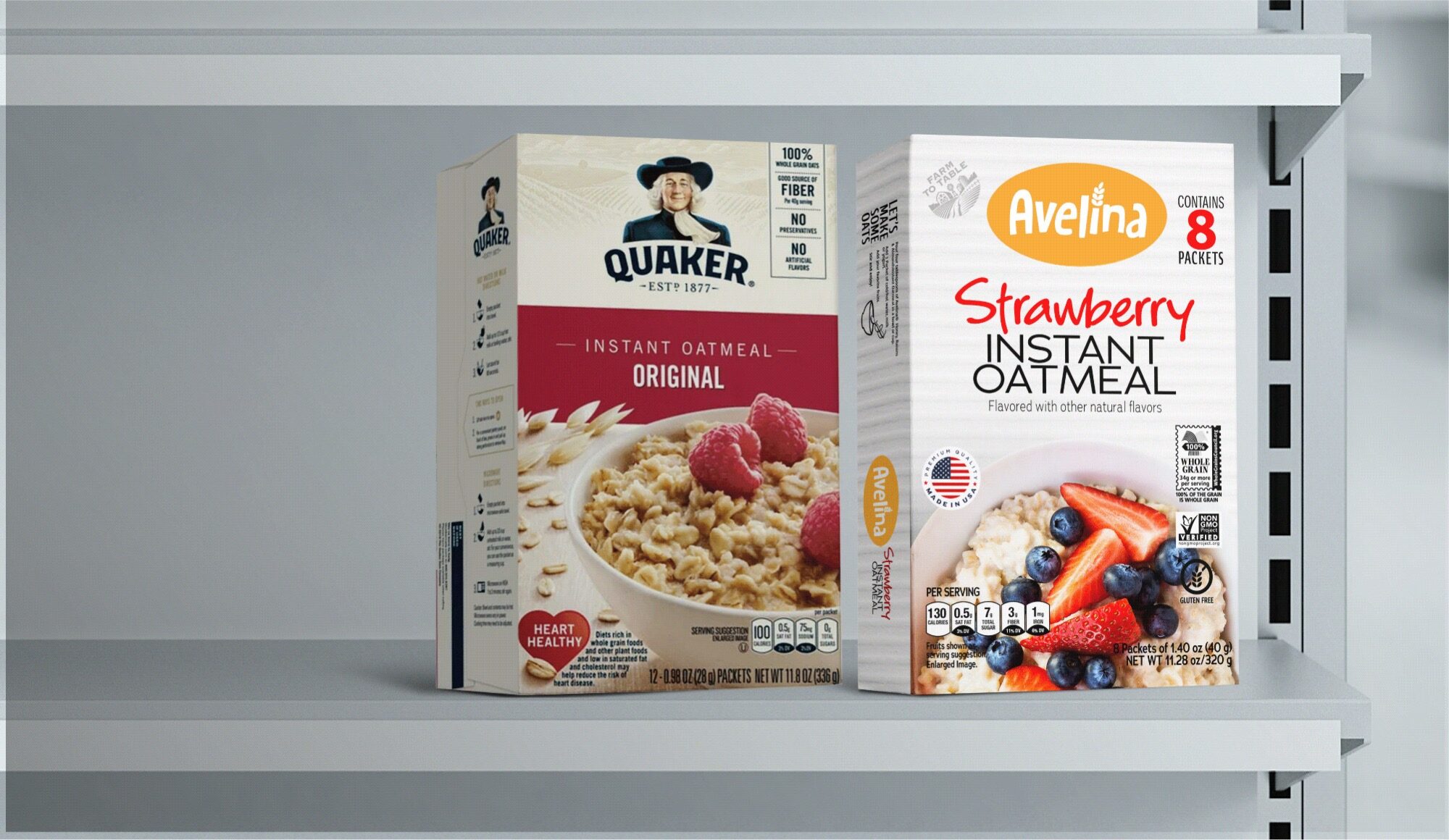
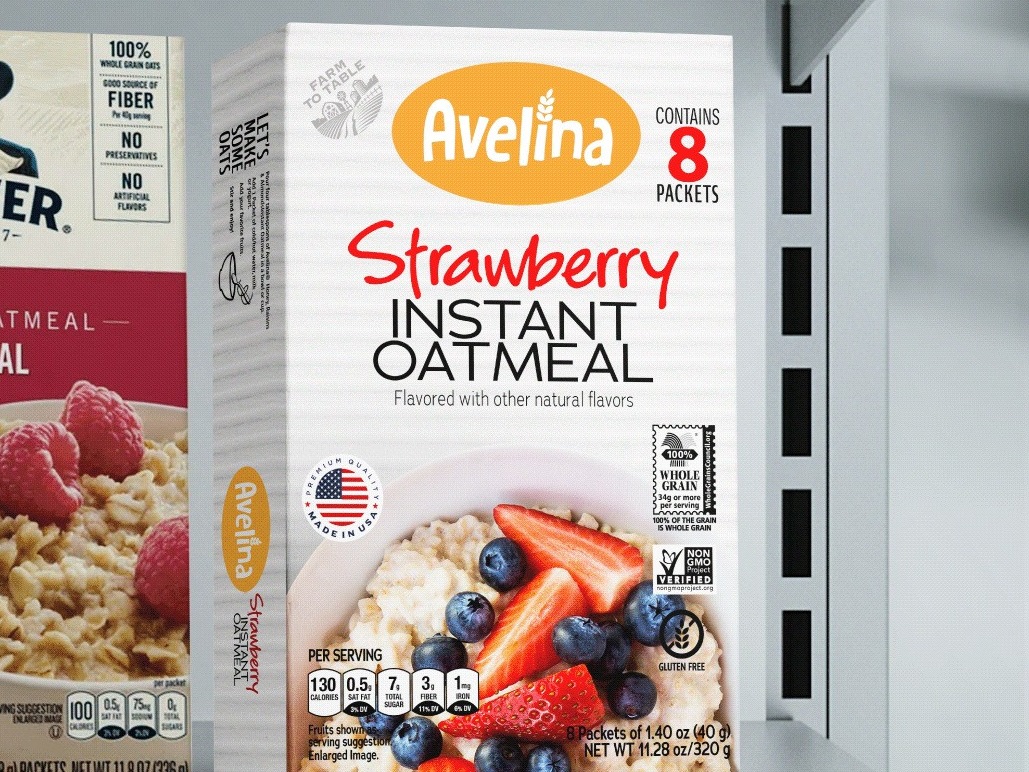
AVELINA · SUNRISE ORANGE, GRAIN IN THE I
WHAT A WORKSHOP EVENTUALLY BECOMES
MOSS · THE JUST CAUSE, FOUR YEARS LATER, IN THE MOUTHS OF THE PEOPLE IT WAS WRITTEN FOR
WHAT YOU LEAVE WITH
Week four, landed on everything.
Identity, architecture, packaging, print, environment and digital, taken far enough that a person who has never met us can produce against them. These are real ones, from real engagements.
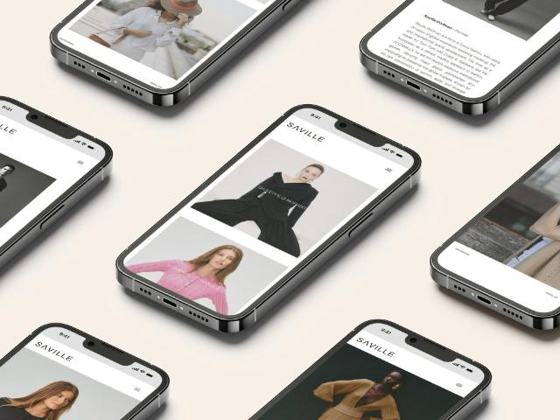
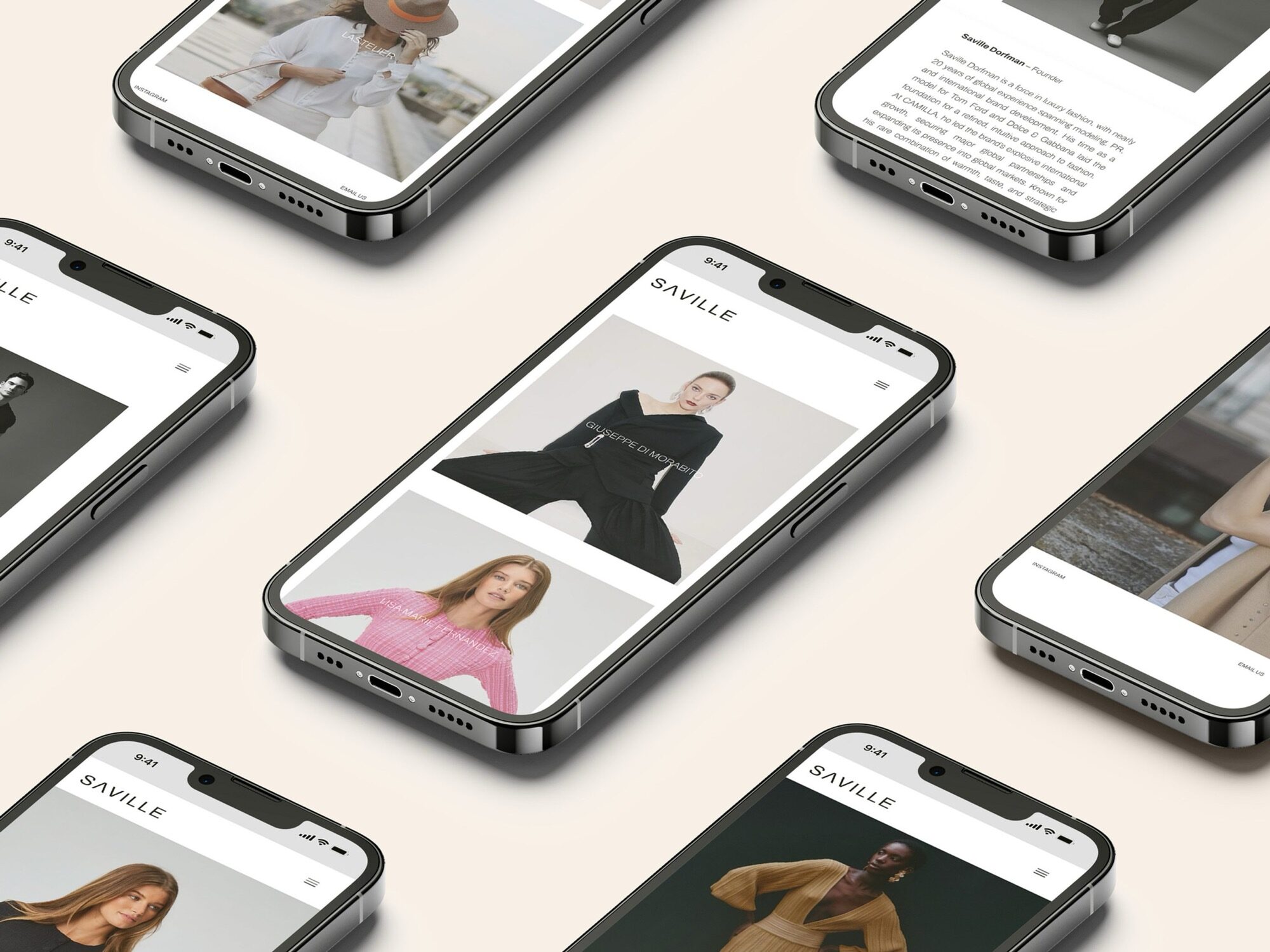
SAVILLE · THE SYSTEM, ACROSS EVERY SCREEN
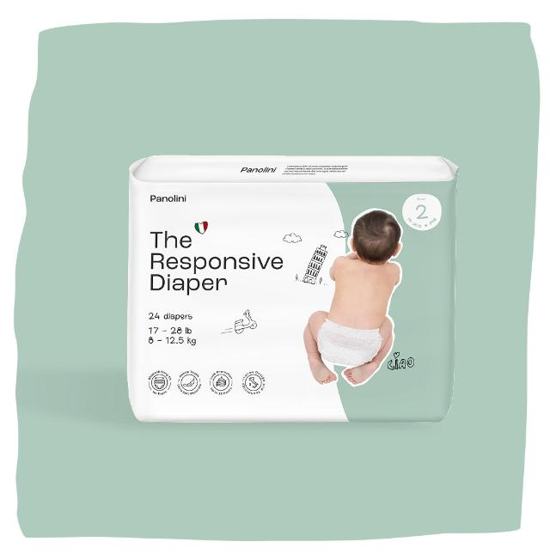
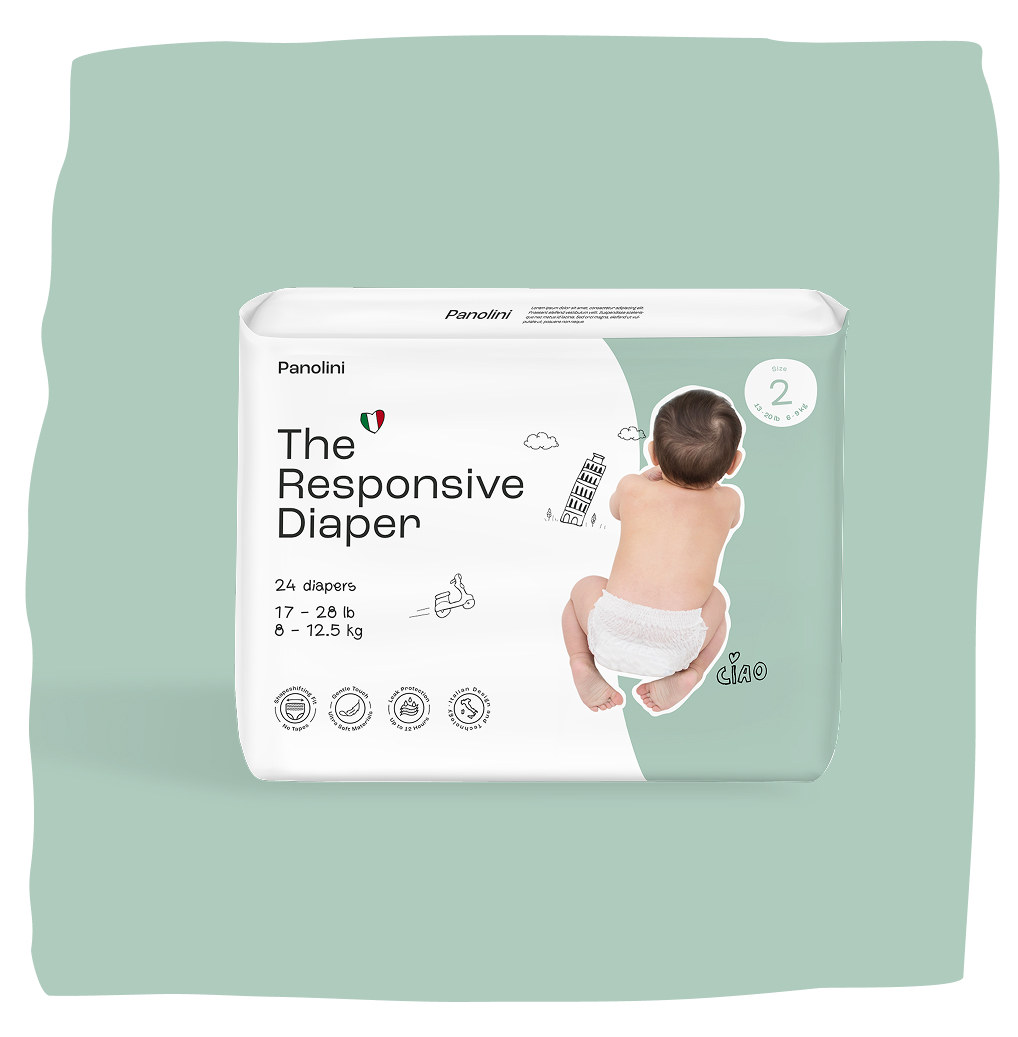
PANOLINI · THE PLATFORM, ON THE PACK
PACT · COMMUNICATE, LOOK, FEEL
THE PRESENTATION SYSTEM · WHERE THE DEALS ARE MADE
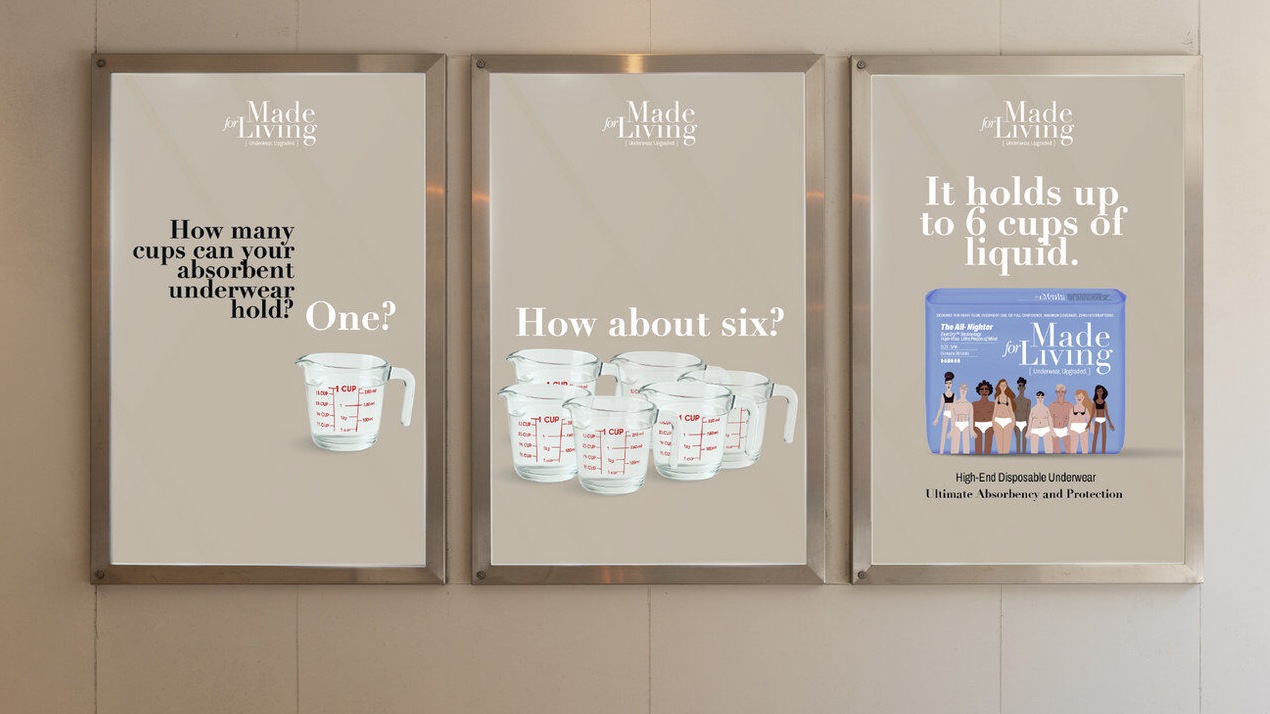
MADE FOR LIVING · PLAIN LANGUAGE, NO EUPHEMISM
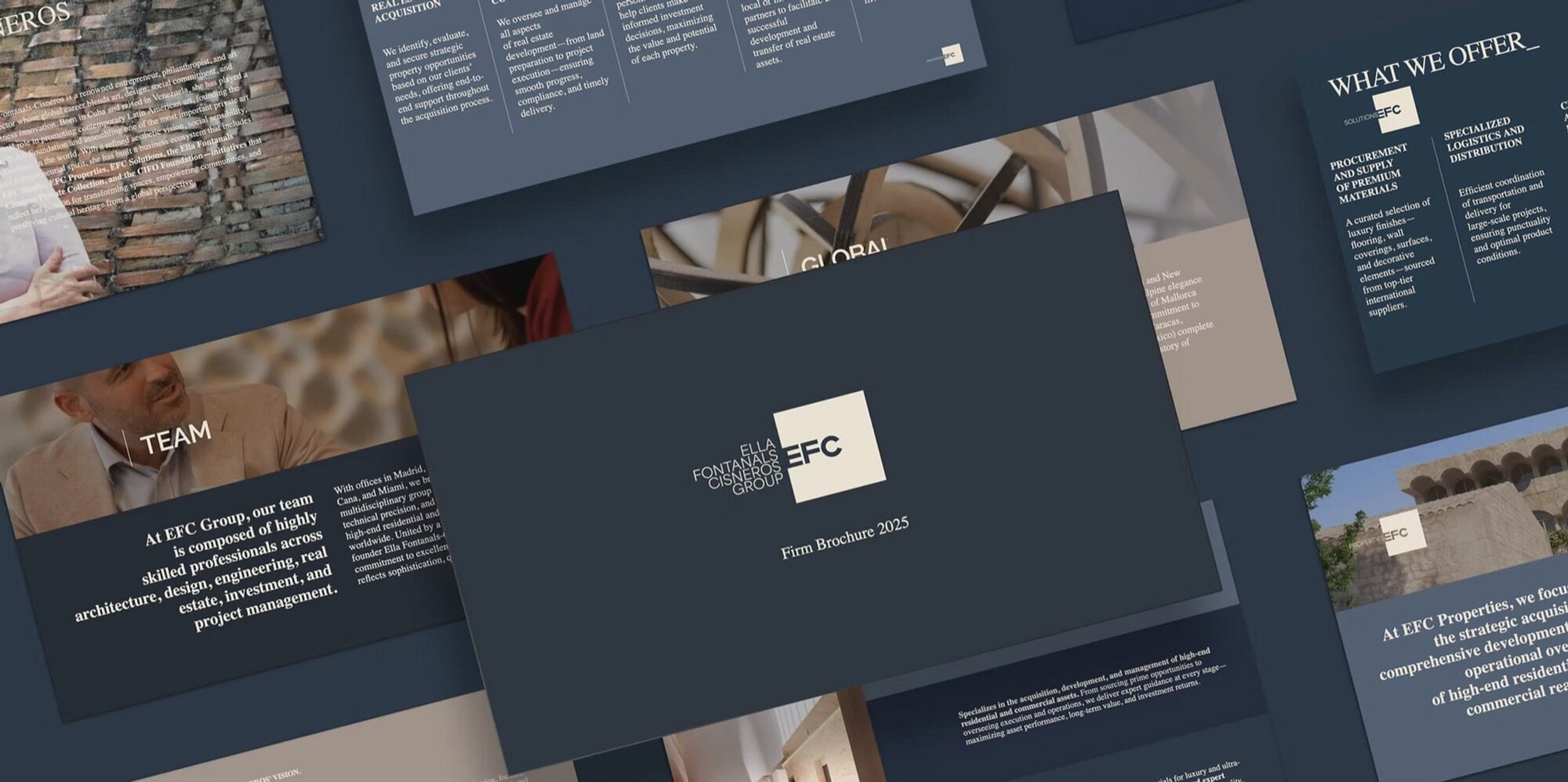
EFC · THE PRESENTATION SYSTEM
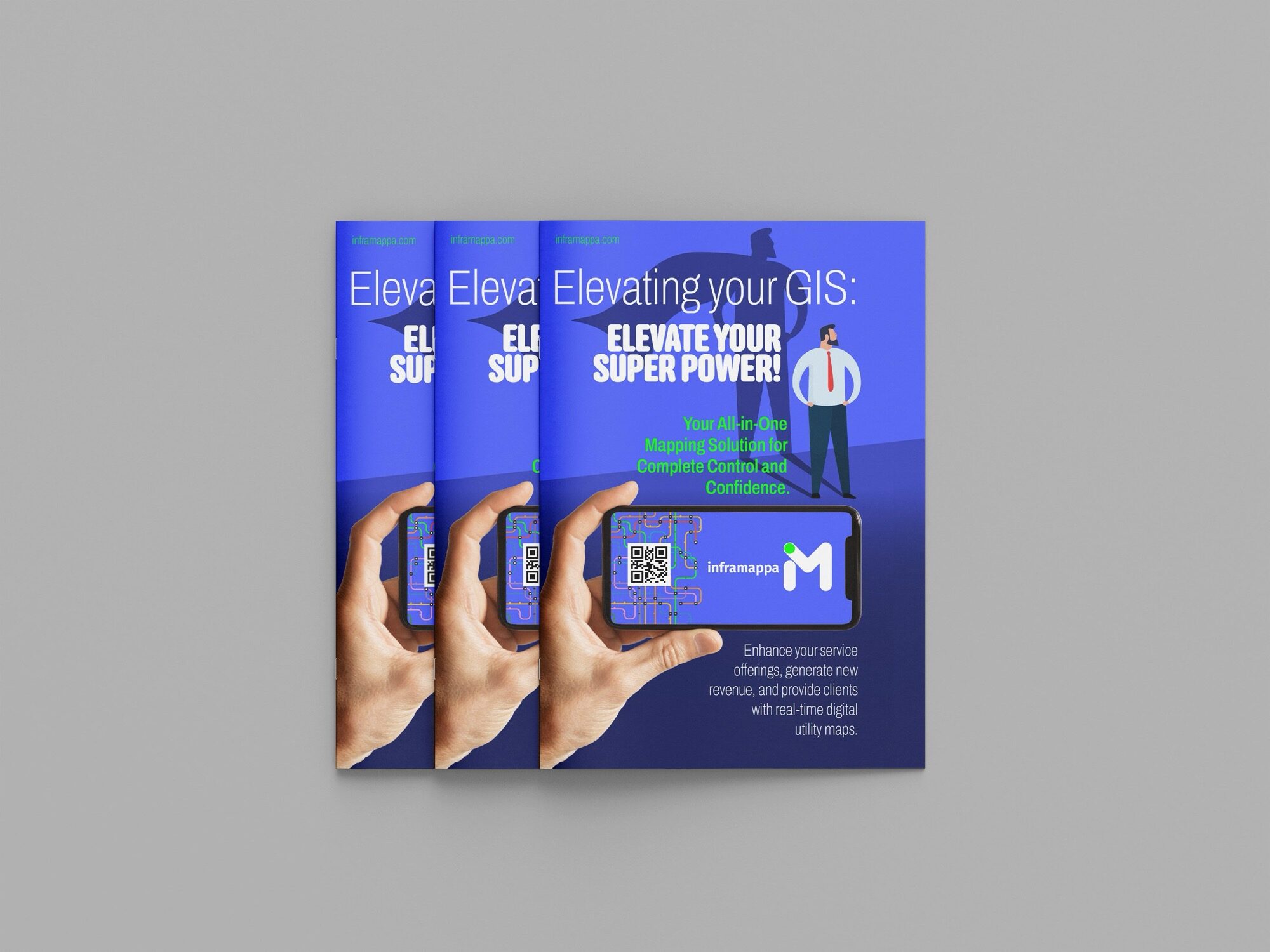
INFRAMAPPA · THE DIGITAL BROCHURE
THE FOUR OUTPUTS
What week four hands over.
Everything presented at the end of week four is written down, so it is a decision the business can be held to rather than a suggestion it can quietly ignore.
Six of the brands in this index began as four weeks. Not one of them ended there.
The workshop is not a discovery phase that hands off to a project. It is the engagement finding its real size. Every brand named below arrived for four weeks and stayed for years.
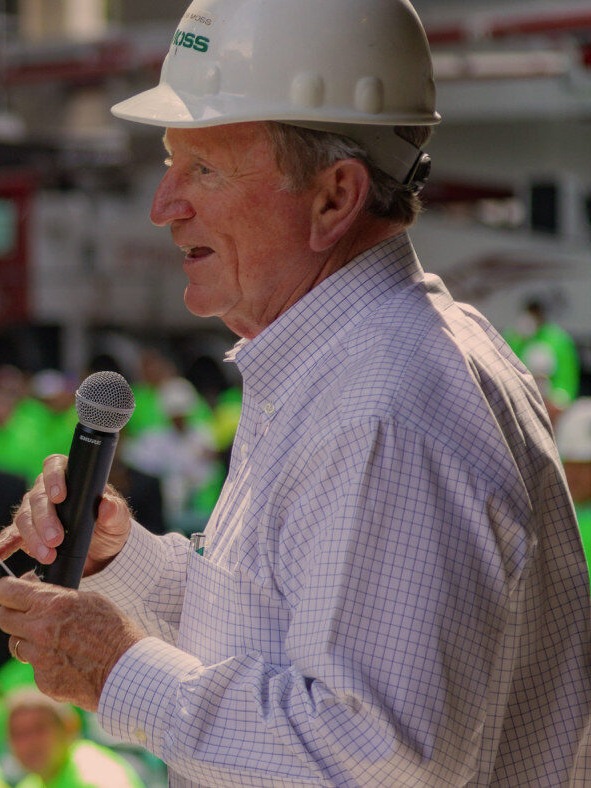
Unmatched creativity, passion and charisma.
SCOTT MOSS · CEO, MOSS CONSTRUCTION
STARTED HERE
Where the workshop led.
Each of these engagements began as four weeks and became years of work.