RDLB LAB · THE FRONTIER PRACTICE

The other half of the house works on what comes next.

Not a product demo. A practice: the theory of how a brand holds itself together when it produces continuously, the architecture that makes that survivable, and the governance that makes it defensible in a procurement review.

THEORYARCHITECTUREGOVERNANCEBUILT AND RUNNING
A silicon wafer diffracting light
SUBSTRATE · THE LAYER EVERYONE RENTS AND NOBODY OWNS
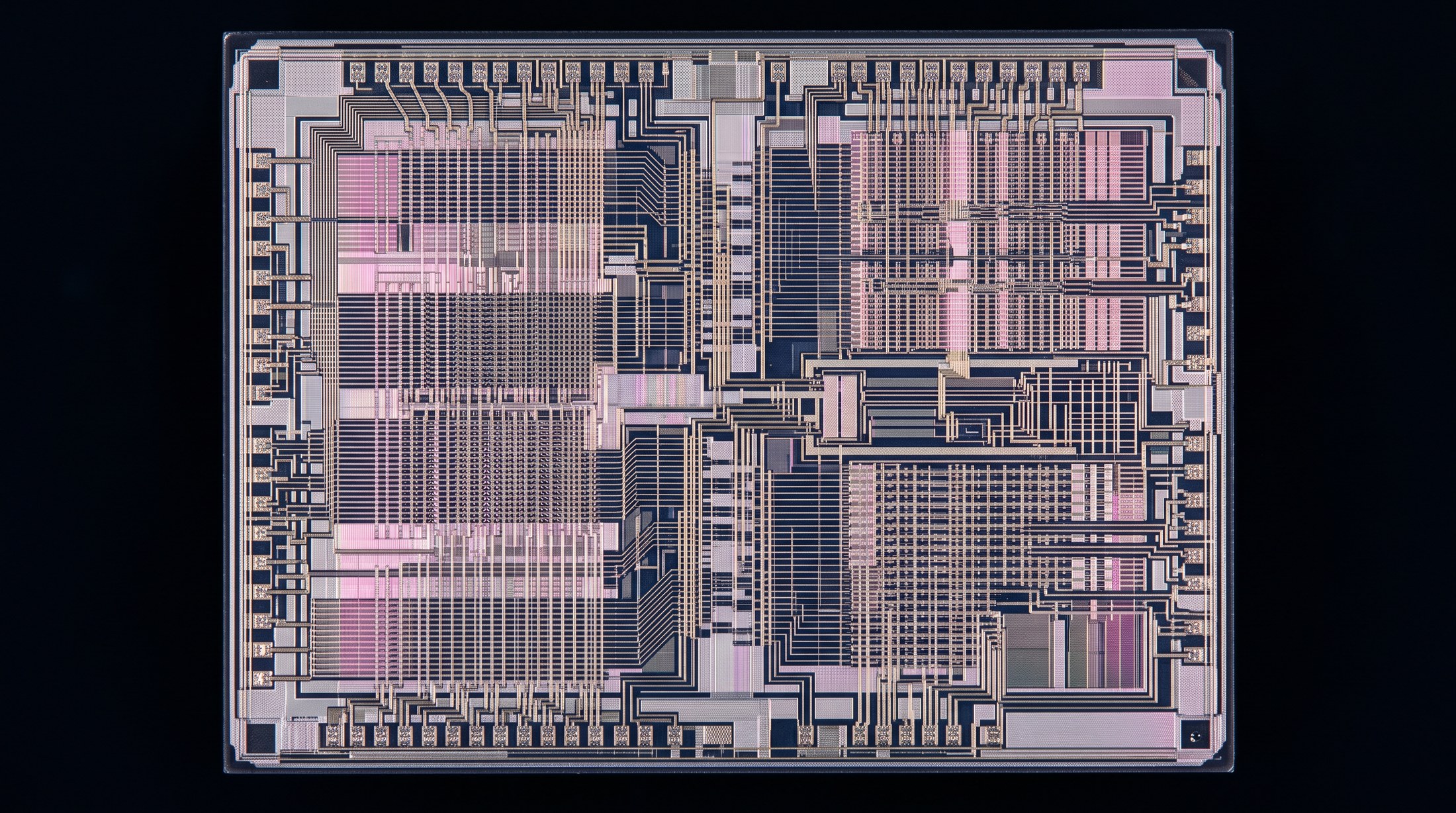
A microprocessor die under a microscope
THE DIE · ARCHITECTURE, AT THE SCALE IT ACTUALLY EXISTS

Even Realities G2 glasses showing a heads up display
THE G2 · NOTIFY AND CAPTURE, NEVER THE CONTROL ROOM

A semiconductor cleanroom corridor
THE CLEANROOM DISCIPLINE · CONTROLLED CONDITIONS, MEASURED OUTPUT
THE THESIS

Volume does not kill a brand. Drift does.

Everyone can produce now. The constraint moved. It is no longer how much work a brand can make, it is how much work a brand can approve without losing its own voice somewhere in the queue.

So the interesting engineering problem is not generation. It is holding a written standard steady across thousands of decisions, and keeping a named human at the only point where it matters.
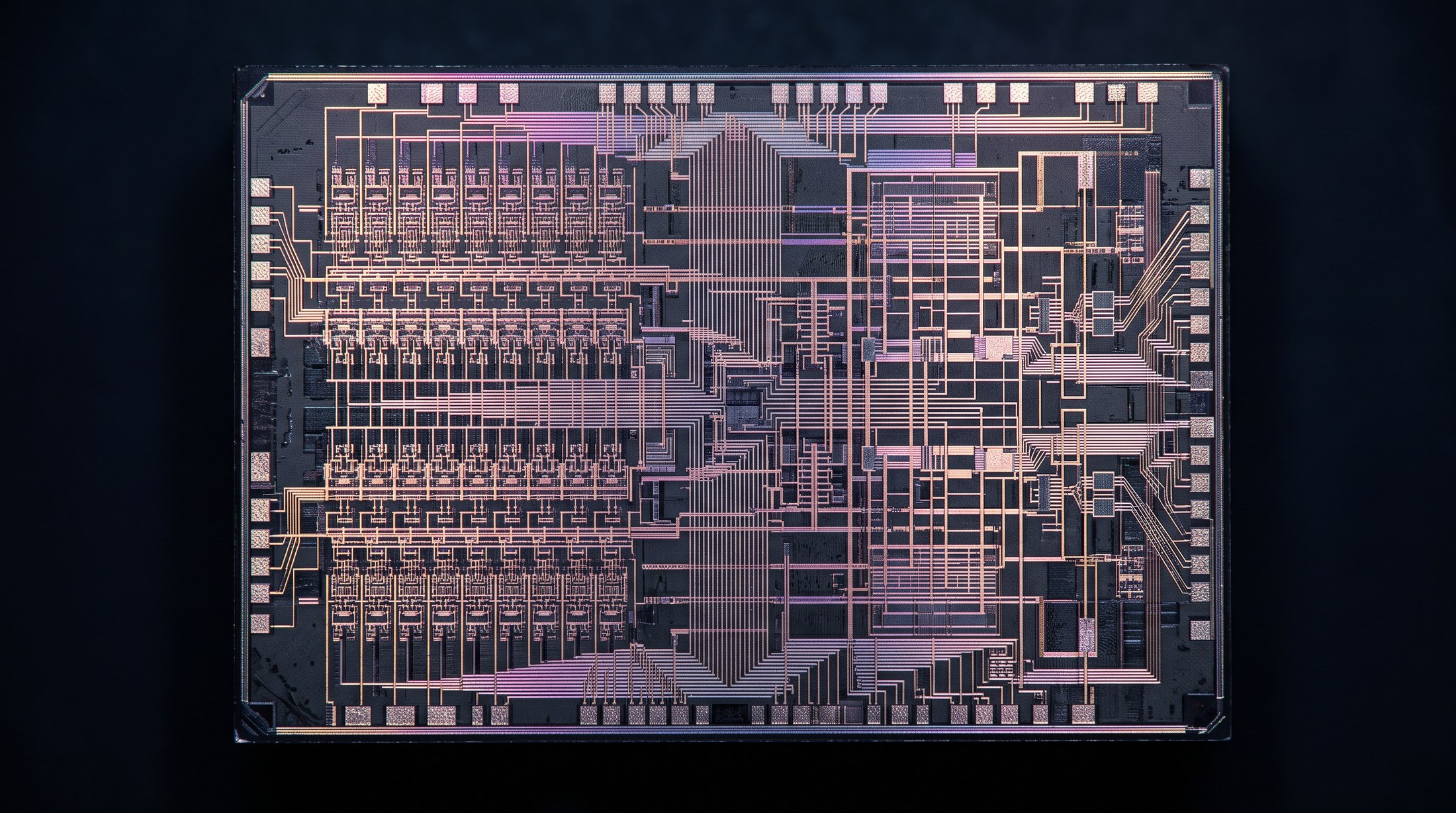
An integrated circuit die
EVERY DECISION, ETCHED SOMEWHERE AND RECOVERABLE
01 · THE FRAMEWORK

The brand core, and everything that inherits from it.

The oldest idea in the studio, drawn for a system rather than a deck. One agreed core at the centre. A written standard around it. Production sits outside that, and only then do surfaces exist. Nothing on the outer ring is allowed to contradict the centre.

THE CORE THE WRITTEN STANDARD PRODUCTION SURFACES ONE SENTENCE, AGREED RULES A SYSTEM CAN CHECK WORK, AT VOLUME EVERY SURFACE SAYS THE SAME THING
THE CENTRE IS DECIDED ONCE, IN A ROOM, BY PEOPLE WHO CAN DECIDE IT · EVERYTHING OUTSIDE IT IS INHERITANCE
02 · THE MECHANISM

Signal in. Judgement through. Work out.

Three movements on a schedule. The middle one is the whole argument: a single gate, a named human, and a decision that is written back as memory rather than lost in a thread.

SIGNAL IN JUDGEMENT THROUGH WORK OUT THE MARKET, NIGHTLY YOUR OWN DATA EVERY PRIOR DECISION CATEGORY AND CULTURE SEARCH AND ANSWER THE BRAND ARCHIVE THE GATE ONE NAMED HUMAN DECISION WRITTEN BACK AS MEMORY PRODUCED LOGGED ATTRIBUTED COSTED SHIPPED
NOTHING REACHES THE RIGHT-HAND COLUMN WITHOUT PASSING THE GATE · THE RETURN LINE IS WHAT MAKES THE SYSTEM COMPOUND
BATTLE HYMN OF THE AGENTIC BRAND · THE CAMPAIGN, 1080p
THE ARGUMENT, MADE ONCE A YEAR IN PUBLIC. THE REST OF THIS PAGE IS HOW IT ACTUALLY WORKS.
03 · TWO CONSTRAINTS

Throughput is cheap. Judgement is not.

Left: what happens to a brand when output scales and review does not. Right: why the model layer should never be the thing you are married to.

DAY 0 DAY 90 OUTPUT PRODUCTION HUMAN REVIEW CAPACITY THE CROSSOVER WHERE DRIFT BEGINS
THE FIX IS NOT A SMARTER MODEL · IT IS TIERING, ENFORCEABLE RULES AND A GATE THAT STAYS FAST
THE BRAND LAYER CORE · STANDARD · MEMORY · APPROVALS · LOGS ROUTING FRONTIER, CLOSED OPEN WEIGHT SELF HOSTED INTERCHANGEABLE · QUARTERLY · YOURS TO SWAP
MODELS CHANGE EVERY QUARTER · YOUR BRAND DOES NOT · THE LAYER THAT HOLDS IT MUST OUTLIVE THE VENDOR
04 · POSTURE

Beside your systems, never inside them.

The questions procurement now asks are architectural, and they cannot be retrofitted after a deal is live. Read-only by default, scoped connectors, a sovereign runtime and audit-grade logs.

YOUR SYSTEMS CRM COMMERCE ANALYTICS DRIVE AND MAIL THE ARCHIVE READ ONLY NO WRITE PATH WITHOUT AN APPROVAL SOVEREIGN RUNTIME SCOPED CONNECTORS AGENT IDENTITIES SECRETS, HELD APART RUN LEDGER COST PER RUN AUDIT GRADE LOGS WHAT RAN · WHAT CHANGED · WHO SAID YES IF IT ISN'T LOGGED, IT DIDN'T HAPPEN · TRUST IN AN AGENTIC SYSTEM IS A RECORD, NOT A FEELING
THE ANSWERS THAT CLEAR AN ENTERPRISE SECURITY REVIEW IN WEEK ONE
THE INSTRUMENTS

Where the theory becomes a surface.

Three working views: what the system read, what it produced against the standard, and what is waiting for a yes. Alongside them, the capture surfaces we are building on — notification and capture only, never control.

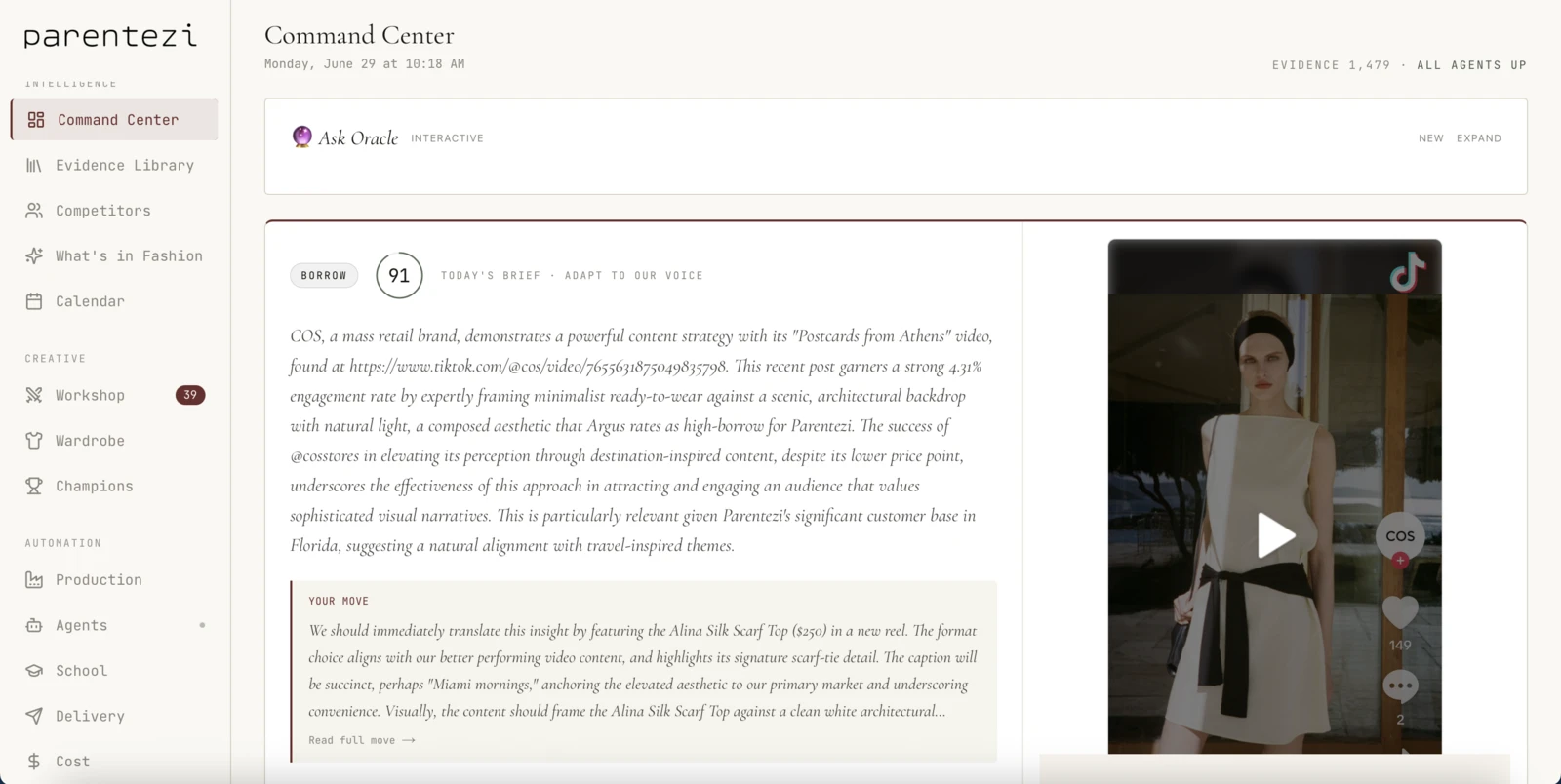
The command centre
COMMAND CENTRE · THE NIGHT'S WORK, WAITING FOR A YES
Even Realities G2 glasses showing a heads up display
THE G2 · THE BRIEF ARRIVES WHERE YOU ALREADY ARE
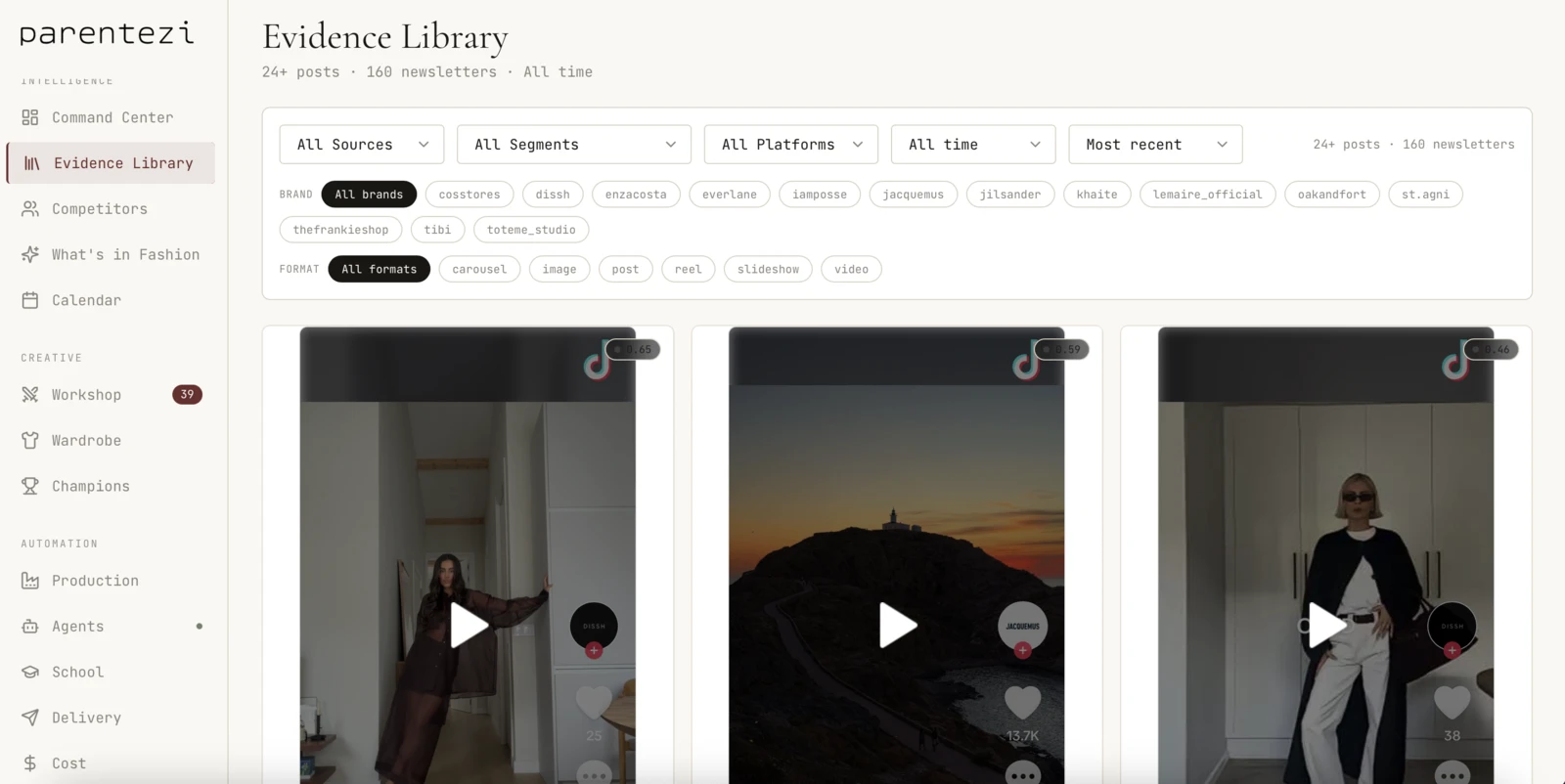
The evidence library
EVIDENCE LIBRARY · WHAT THE SYSTEM READ, AND WHERE
The workshop surface
WORKSHOP · PRODUCTION AGAINST A WRITTEN STANDARD
A cleanroom corridor
THE STANDARD WE BORROWED FROM FABRICATION
A silicon wafer on a stand
MANY IDENTICAL DIES, ONE MASK · THE ARGUMENT FOR A WRITTEN STANDARD
THE LINE WE HOLD
Autonomy is not the goal. Governed throughput is.
A longer leash is not the upgrade. The checkpoint is. Every capability in the Lab is designed around how easily a person can stop it, read what it did, and be answerable for what shipped.
THE ESTATE

Five surfaces. All of them live.

Every page below is a running part of the system. The nav above drops straight into any of them.

01

The System →

The architecture in full: what goes in, what the queues do with it, where the gate sits, and how the ledger prices every run.

02

The Agents →

Named, scoped and individually accountable. Sentinel watches, Curator selects, Cicero writes, Argus checks. Every agent has an owner with a name.

03

Services →

Social Listen and Response, the Avatar Content Engine, the 90-Day Brand AOS and Swarm R&D.

04

Markets →

Agentic marketing for fashion, CPG and hospitality. Agentic orchestration for government, regulated industries, biotech and manufacturing.

05

Security and posture →

Read-only by default, sovereign runtime, scoped connectors and audit-grade logs. Drawn above, documented in full here.

WHAT IT COSTS TO RUN
15AGENTS IN PRODUCTION
44K+PRODUCTION RUNS LOGGED
99%RUN SUCCESS RATE
1HUMAN GATE. NOTHING SHIPS AROUND IT
THE PROOF

Running in public, with receipts.

We run our own brands on the system before selling it to anyone. Parentezi is the one you can look inside.

CASE · OWNED BRAND

Parentezi

A brand run end to end by the system: listening, production, evidence and approval, with the command centre open.

READ THE CASE →
FIELD NOTE

What 44,000 runs cost

Thirteen agents, 44,000 production runs in 63 days, under fifty dollars in model spend. What collapses when execution gets cheap, and what stays expensive.

READ THE NOTE →
BUYER'S GUIDE

Evaluate one before you buy it

What to ask about portability, the approval gate, access and running cost, before a demo convinces you of something the architecture cannot support.

READ THE GUIDE →
START HERE

Two ways in, neither of them a retainer.

The Agentic Brand AuditTWO TO THREE WEEKS · WE MAP YOUR HIGHEST-COST WORK, SCORE IT FOR AGENTIFICATION AND HAND YOU THE BUILD PLAN, WHETHER OR NOT YOU BUILD IT WITH US The 90-Day Brand AOSSIGNAL IN, JUDGEMENT THROUGH, WORK OUT · WIRED INTO YOUR BUSINESS AND OWNED BY YOUR TEAM AT THE END Book a strategy callTHIRTY MINUTES · BRING THE WORK YOU CANNOT STAFF
READ THE THINKING

Sixty-plus field notes, published daily.

The theory above, argued one idea at a time. Written with the system, approved by humans.

All insights →THE FULL INDEX, BOTH VOICES The Achilles Angle →THE COLUMN · AI MADE LEGIBLE, WITH A LITTLE WIT Brave New Word Nº 04 →ORCHESTRATION · AUGUST 2026 The Studio →THE OTHER HALF OF THE HOUSE