
Tamarí
Tango. Bottled.
WHAT WE DID
Brand strategyNaming and brand architectureLogoIdentityPackaging designCreative directionCampaignPhotography directionOut of homeB2B marketingSocial mediaCase story
SCROLL
The wine world divides mainly between three regions: southern European latitudes, the American west coast, and the southernmost part of South America. For most of a century the first of those was allowed to define what classic meant.
Terlato Wines wanted a brand identity for their Argentinian Malbec that would stand apart from every other bottle on the shelf, including the ones from the same valley.

The South American wine market had a large younger audience arriving with a specific appetite: something with the seriousness of an old world wine and none of the inherited deference. Argentina in particular.
Malbec on its own does not answer that. Every producer in Mendoza has good fruit, good altitude and a similar story about the Andes. Terroir is a shared asset. It cannot be a differentiator when the whole valley owns it.
Every country has a wine. Argentina has a dance.

Tamarí becomes the taste of tango and of Argentinian Malbec culture. Not a label with a dancer on it. A structural claim that governs the photography, the copy, the sensory language and the way the wine is described in trade.
The sensuality between two dancers becomes the way the wine is talked about. Passion and elegance, held in the same glass. The customer is asked to resonate with the love and the culture inside each bottle rather than with a score out of a hundred.
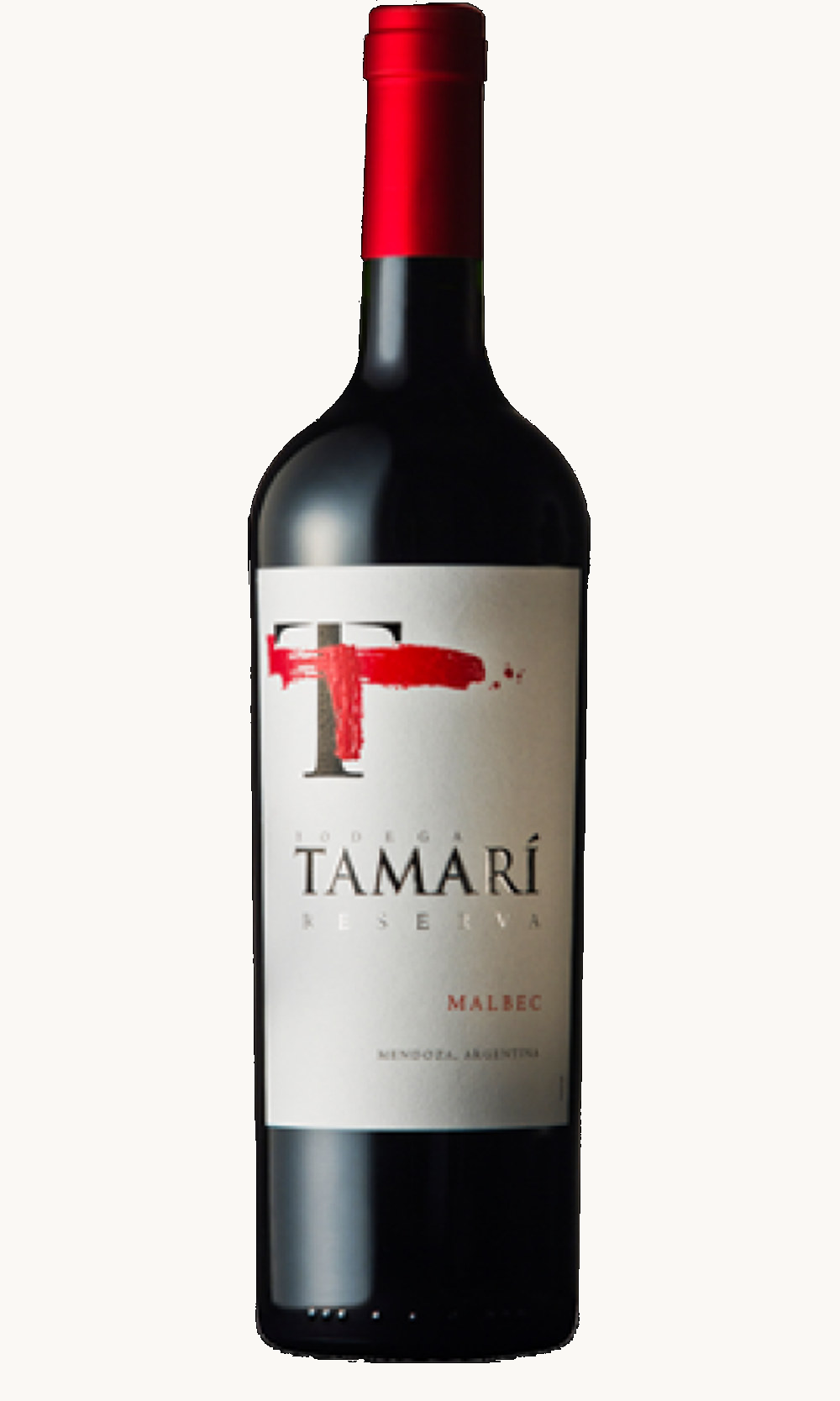
The bottle carries a stroke of heavy red paint, the artistic passion of tango made physical on glass. Black, white and that red. Nothing else is needed once the idea is right.

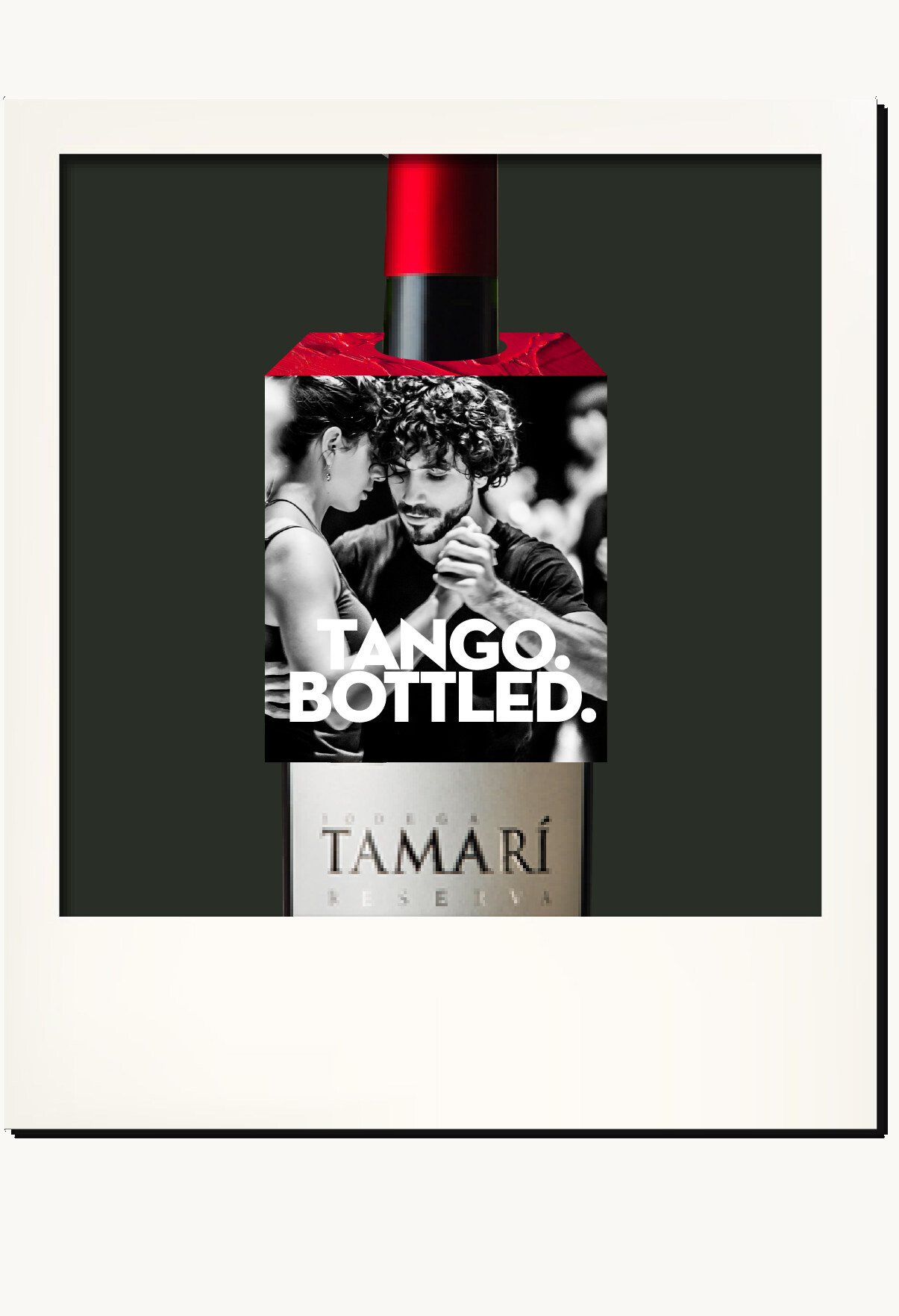
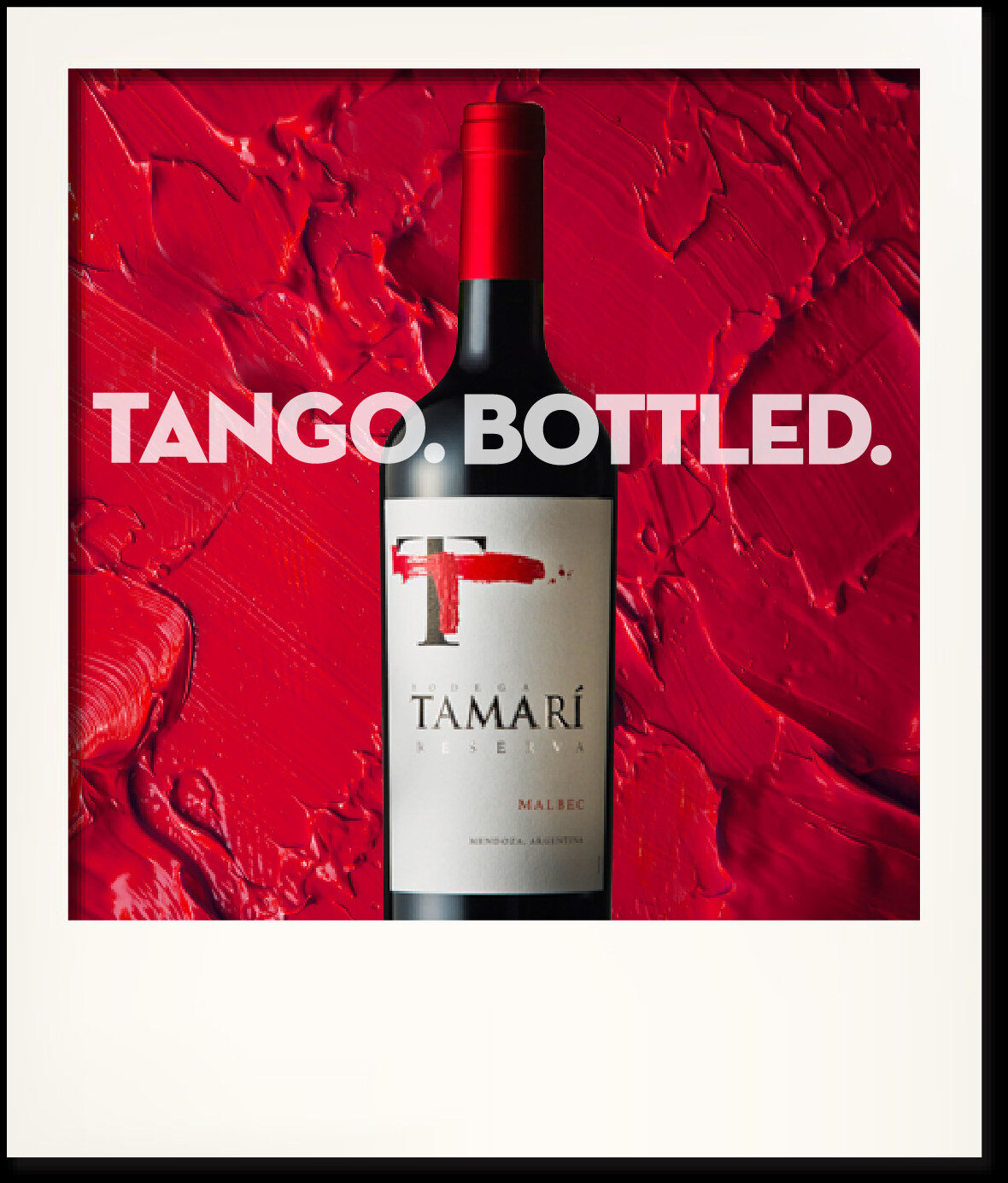
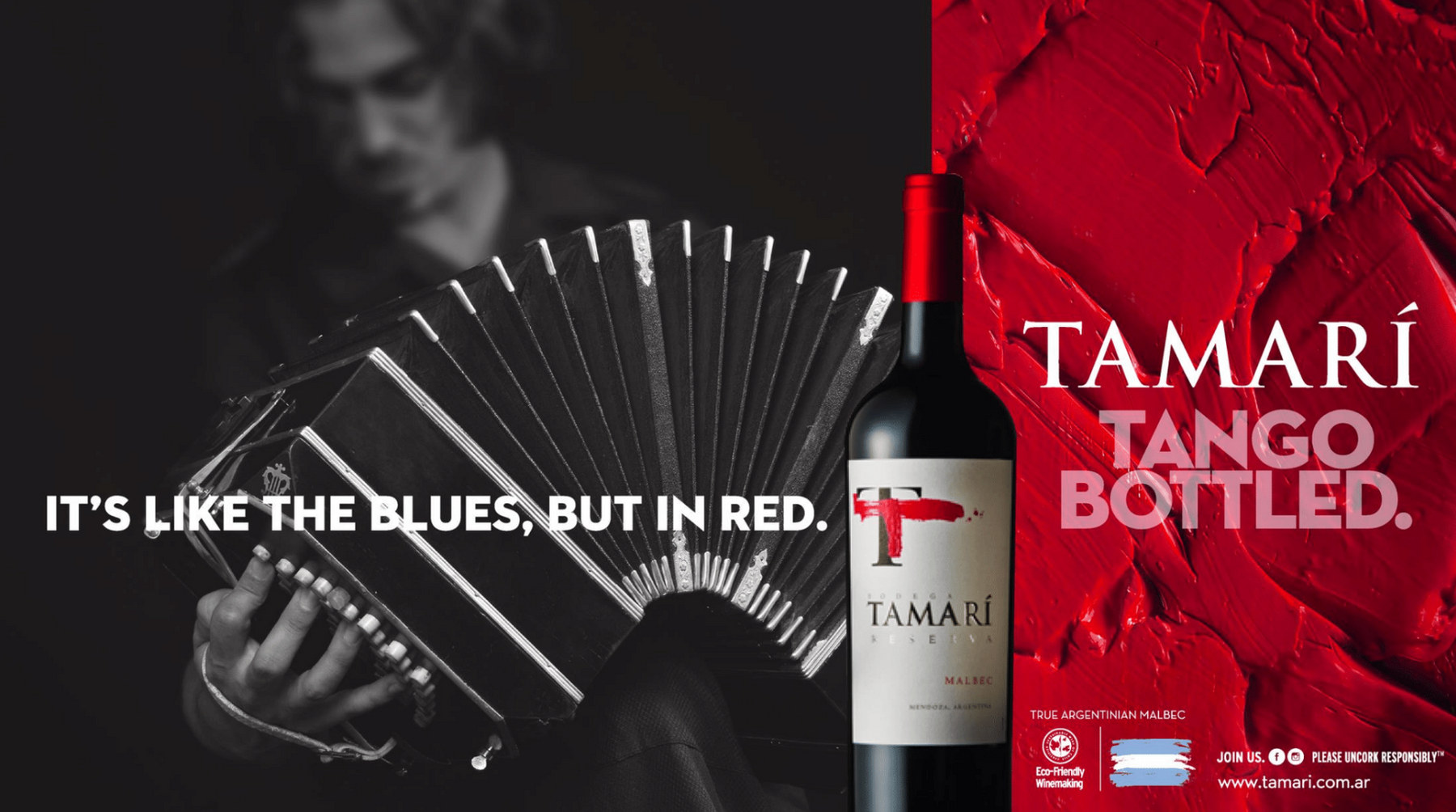
Real dancers, real streets, no vineyard sunsets. The wine appears where the culture is, which is the only place the claim can be tested.

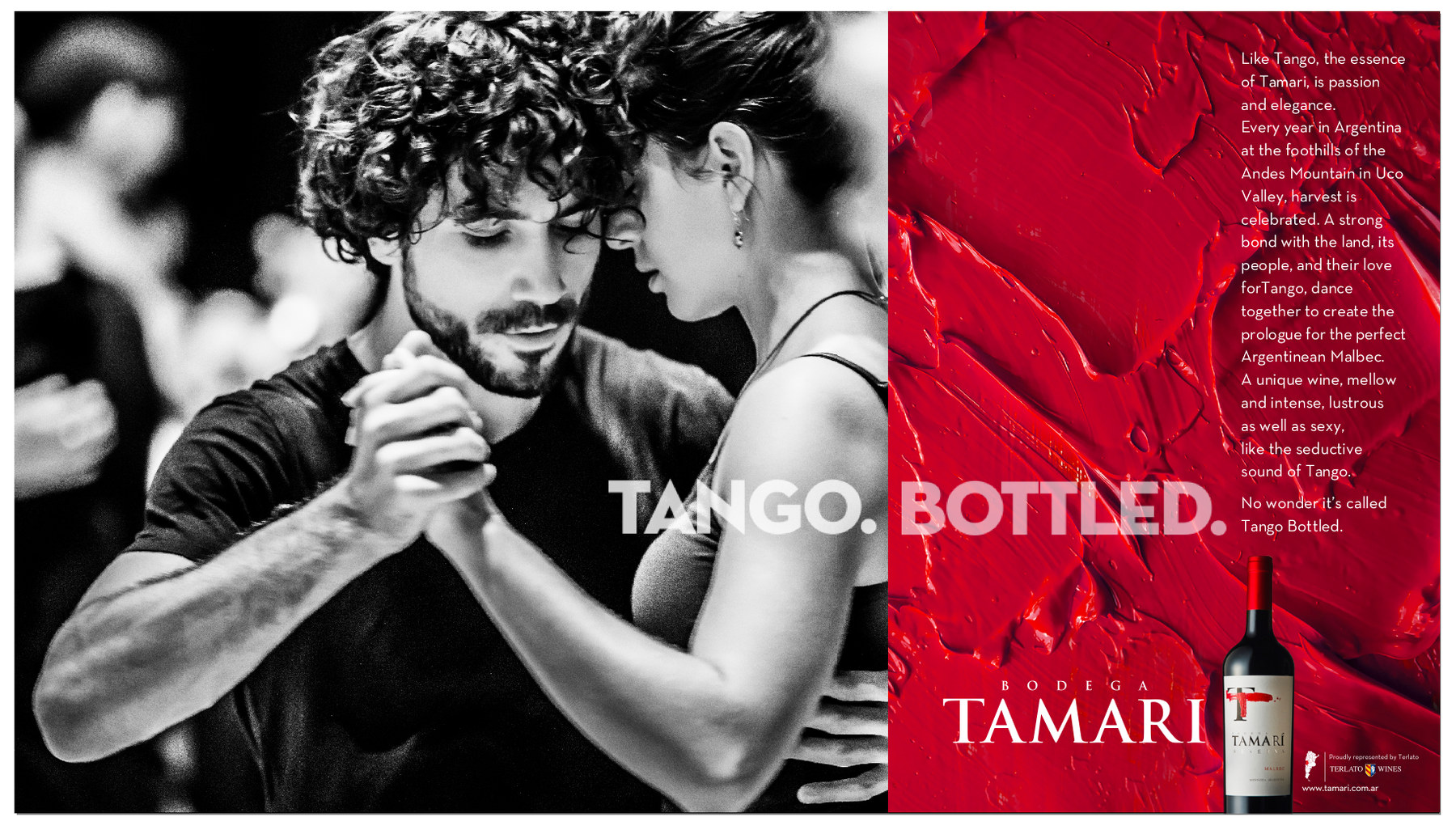



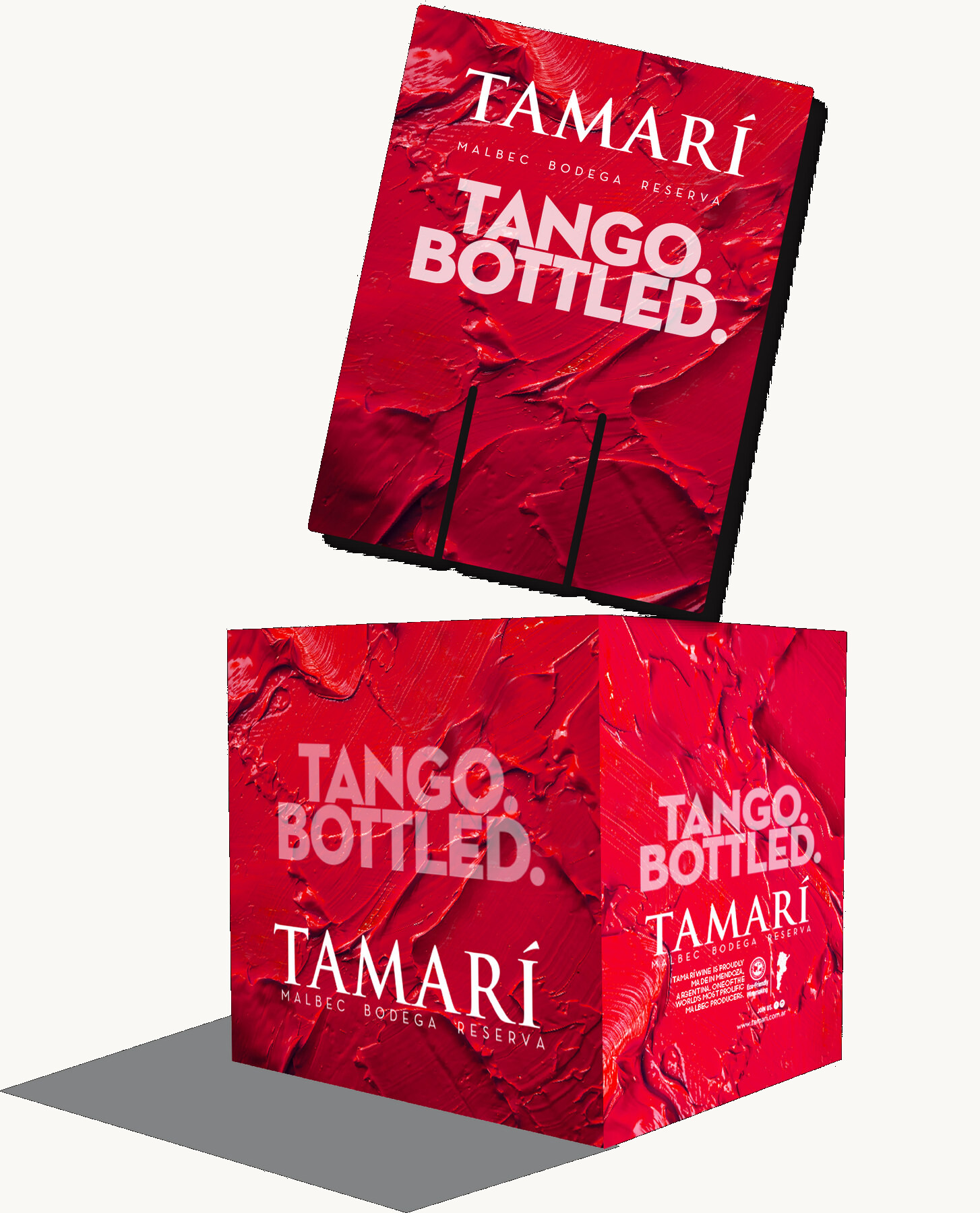
A distributor does not buy a feeling, they buy a story their salespeople can repeat. So the same idea was rebuilt for trade: sell sheets that carry the Uco Valley evidence, shelf strips, neck hangers and a case story that explains the whole thing in a single spread.
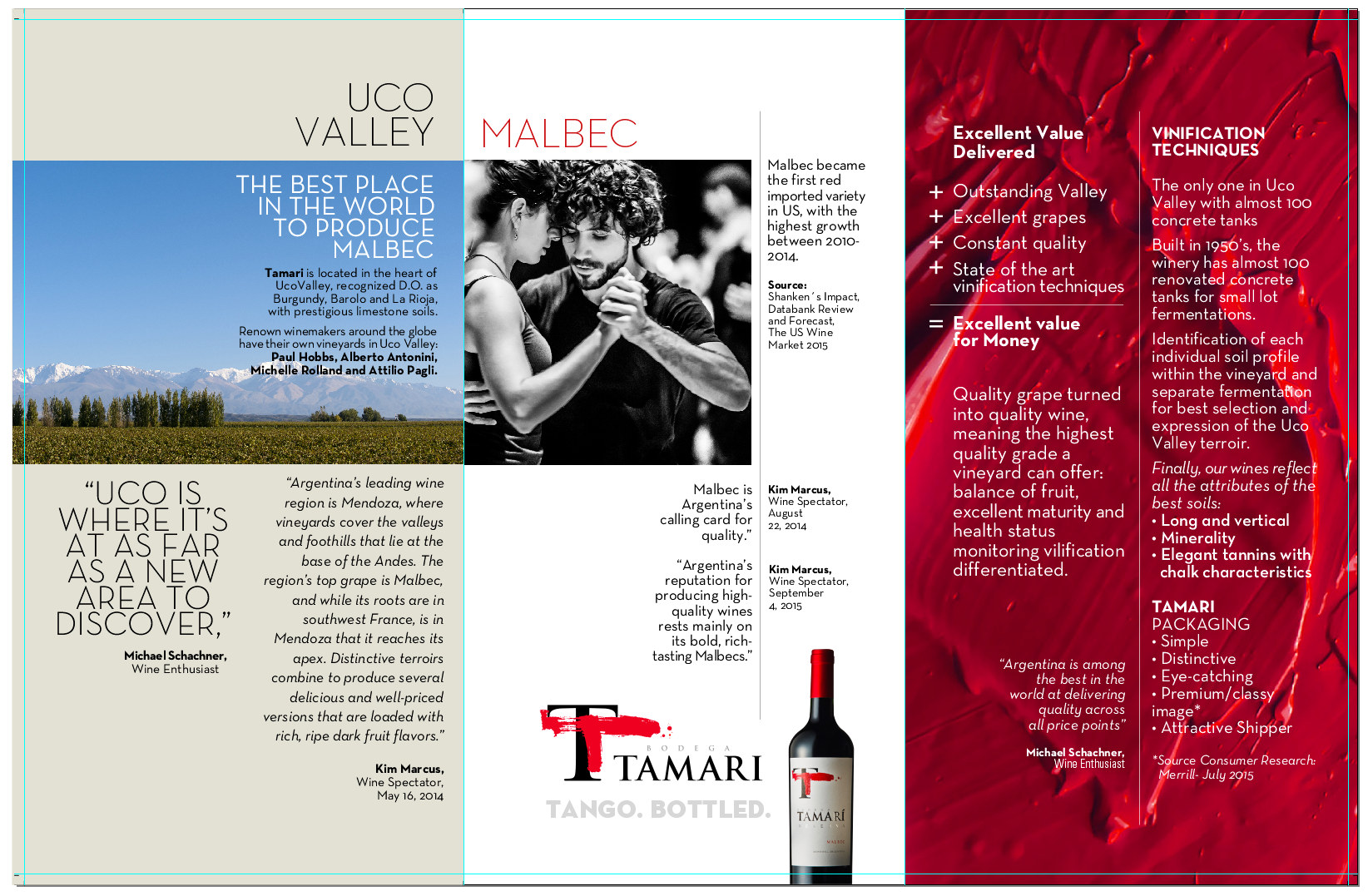
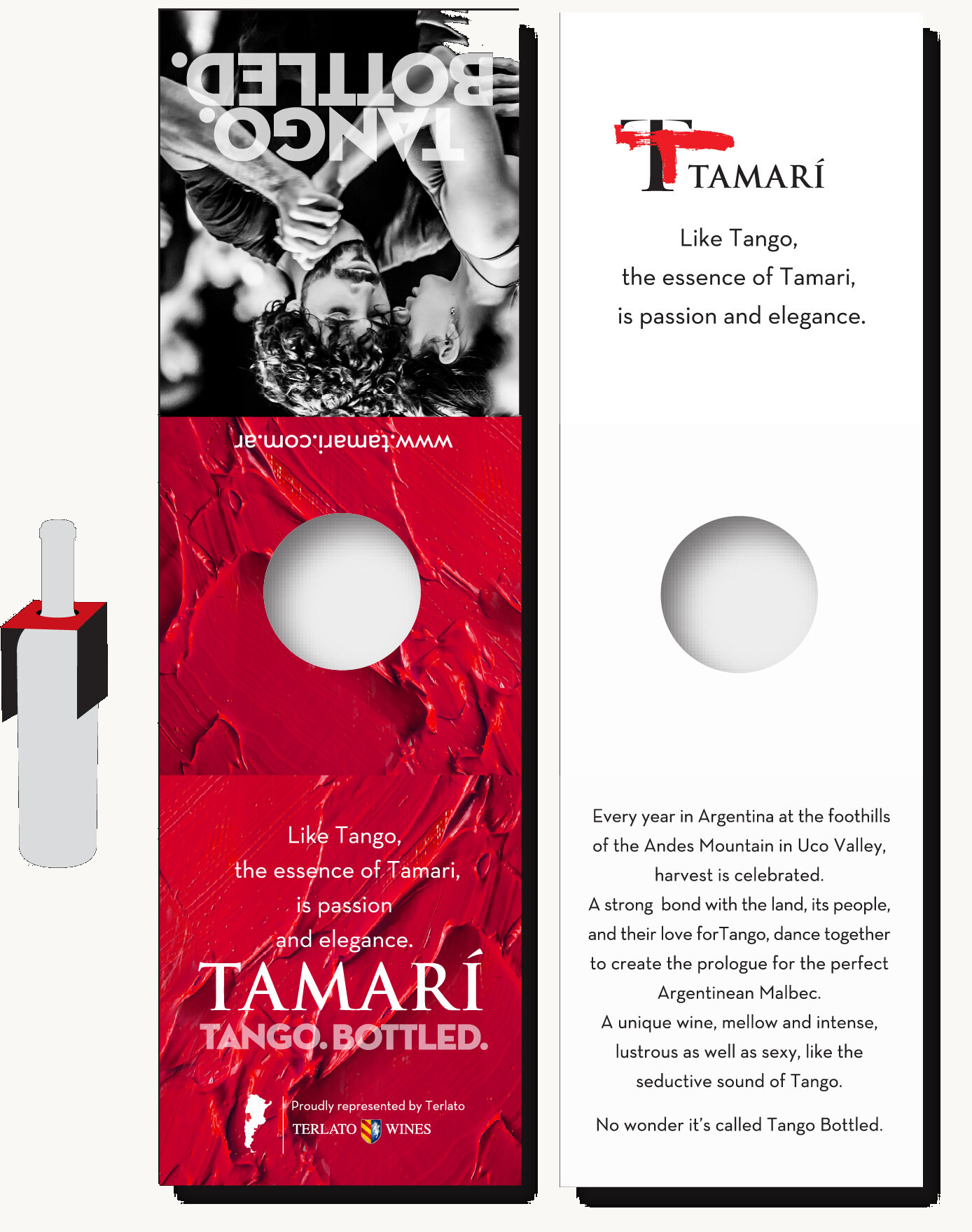
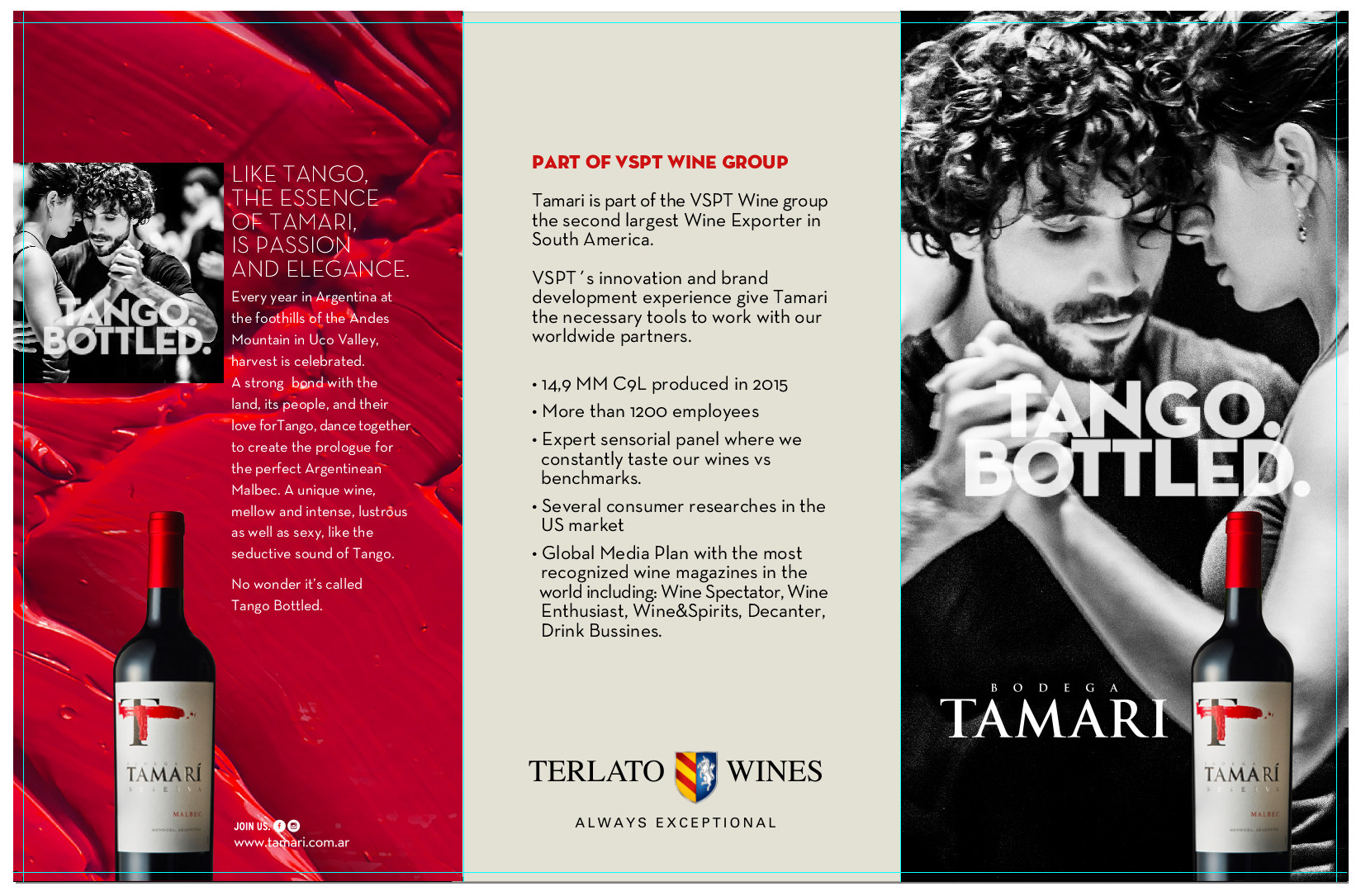

The thinking was documented as its own artefact: how the idea was found, what tango contributes to a tasting note, and why this bottle is not interchangeable with the one beside it.
That document is why the brand still behaves consistently years later, in rooms we are not in.
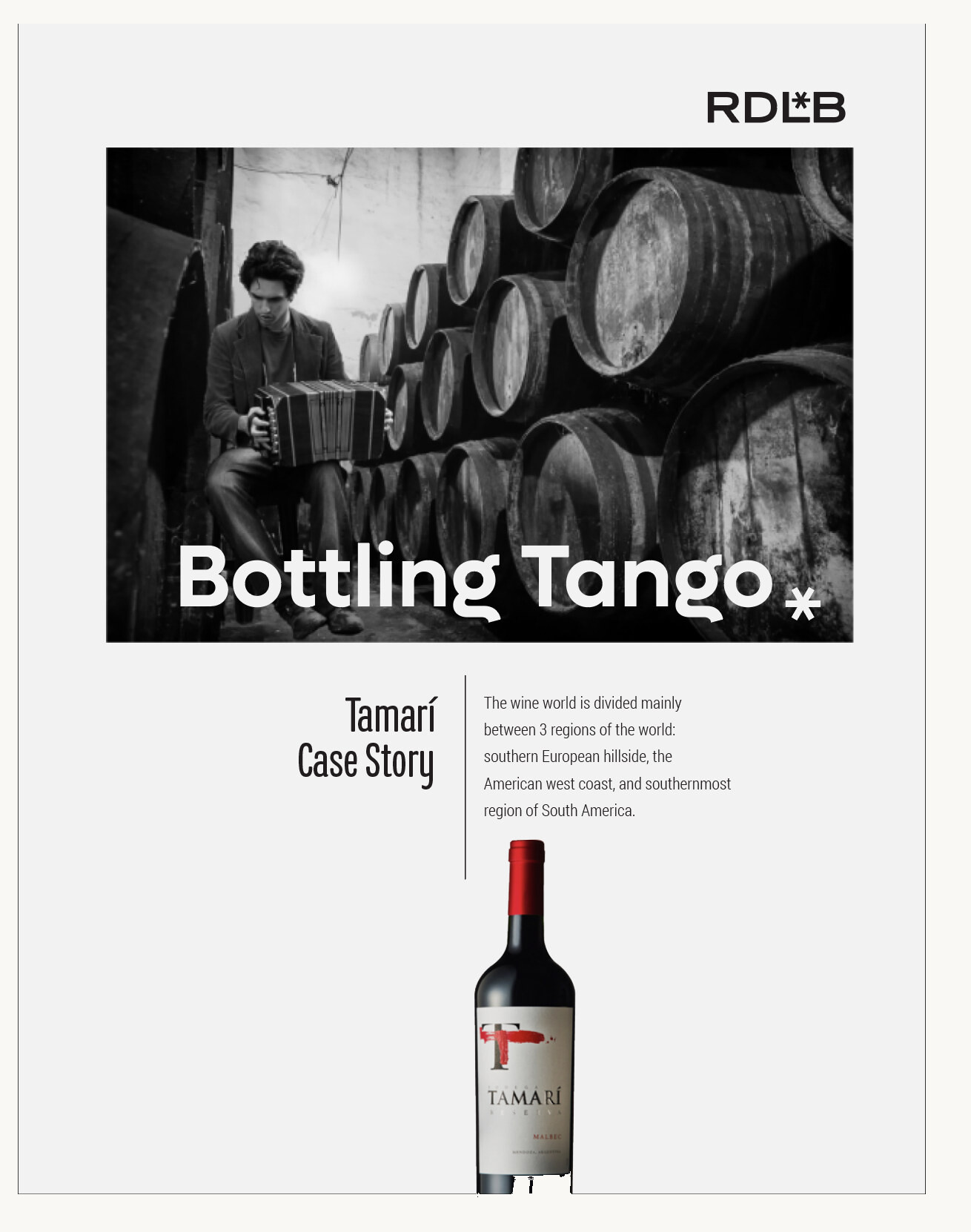
The identity separated Tamarí from the other Argentinian Malbecs it shares a shelf with, and the proposition, the taste of tango, landed with the audience it was written for.
In an industry this crowded, the lesson repeats: differentiation is rarely found in the product. It is found in the culture the product comes from, if you are willing to take that culture seriously.