
Look at the last three wins your marketing team celebrated. A campaign that outperformed. A channel that spiked. A launch that landed. Now ask a harder question. Which of them made the next win easier? Most will fail that test. They were transient advantages: real while they lasted, worthless the moment a competitor noticed and matched them.
Structural advantage works differently. It compounds. Each cycle of work leaves the system better positioned than the one before. The distinction is not intelligence or effort. It is residue. Transient moves produce output. Structural moves produce output plus an asset that stays.
The half-life test.
Every advantage has a half-life: the time it takes a competitor to neutralize it once they see it. A pricing move gets matched in days. A clever format gets copied in a quarter. Access to a frontier model expires the day the next release ships, for everyone at once. If your edge can be neutralized by observation, it is transient by definition.
What survives observation is what a competitor cannot see: the accumulated record of decisions, corrections, and standards that shape how the work gets made. A rival can copy your output. They cannot copy the hundreds of approval decisions that trained the system to produce it.
What compounding looks like in practice.
This is the logic our own system runs on. Thirteen agents, 44,000+ runs in 63 days, and every run passes a human approval gate. The approvals are the point. Each one is a recorded judgment: this claim stands, that phrasing dies, this structure ships. Audit-grade logs turn those judgments into an asset the next run inherits. The output is content. The residue is an operating memory that gets sharper with volume.
Compare that with buying capability off the shelf. Tools are transient advantage in its purest form: whatever you can subscribe to, your competitor can subscribe to on the same afternoon. The 3–5× throughput gain clients see in 90 days is not the moat either. Speed gets matched. The moat is that the gain arrives through a system that is accumulating your standards while it runs, which is why we build with model-agnostic routing and no lock-in. The asset has to be yours, portable, and growing. See the posture for how that separation works.
Budget for residue.
The practical shift is in how you evaluate spend. Before any initiative, ask what remains after the campaign ends. If the answer is impressions, you bought a transient win. If the answer is a codified voice, a tested position, or a system that now executes a class of work without you, you bought structure. The journey we run with clients is sequenced around exactly this: convert judgment into rules first, then let volume compound them.
Transient wins are fine. You need them to make the quarter. But a company built only on transient wins re-earns its position from zero every cycle. A company with structural advantage starts each cycle ahead of where it started the last one. Over a year, that difference is barely visible. Over three, it is the whole game.
If you want to know which kind of advantage your marketing is building, book the strategy blueprint call and we will map it in 30 minutes.
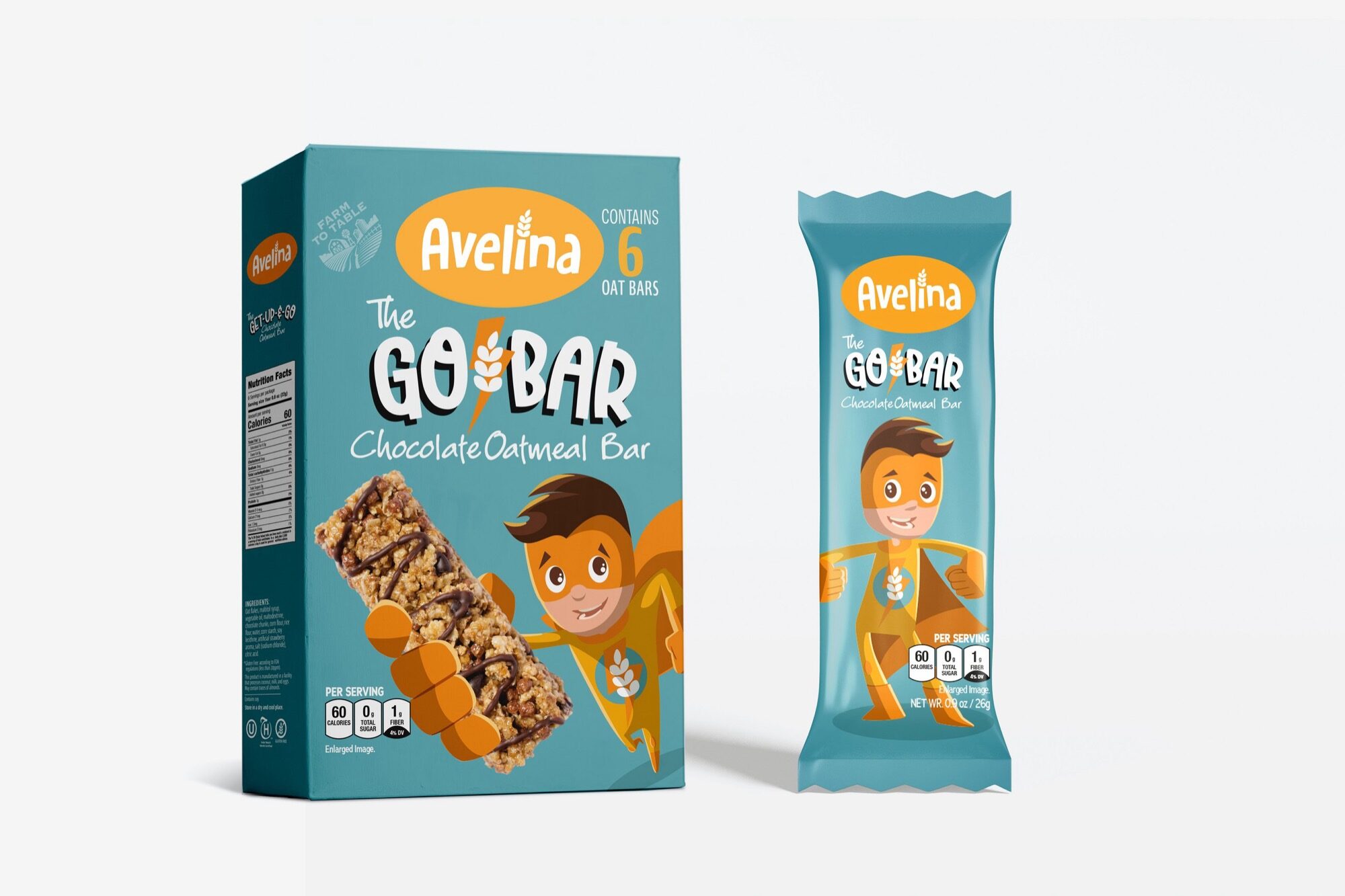 Proof · case studyAvelina: Enter the field with the fewest competitors and take it first.CPG · read the case →