Your buyer no longer starts at your homepage. They ask a question and read a synthesized answer. That answer describes your brand in two sentences, using whatever it could find and trust.
You do not control the synthesis. You control the inputs. For most companies, the inputs disagree with each other.
The highest-cost work is the work nobody owns.
Look at how your positioning is stated across your site, your sales deck, your founder's bio, your partner listings and last year's press. Four descriptions. Three audiences. Two different category names. Each was approved by someone at the time.
A human reader reconciles that in seconds. An answer engine does not reconcile. It samples. When the sources conflict, the summary gets vague, or it gets someone else's version of you.
Fixing this is not a content sprint. It is an operating problem. The same claim has to appear in the same words, in every place a machine or a buyer might look, and it has to stay that way after the next launch, the next hire and the next rebrand of a single page.
Consistency is a system property, not a style guide.
A style guide is a PDF. It describes the brand. It does not enforce it. Every new asset is a fresh chance to drift, and drift compounds quietly.
The mechanism that works is a governed source of truth. The positioning, the proof points, the approved claims and the voice rules live in one place. Every output is drafted against that record. Every output passes a human approval gate before it ships. That is brand memory doing operational work. It is the same mechanism described on our system page.
In practice, three things change:
- One claim, one wording. A proof point is written once and reused, not rewritten by each author.
- Structure a machine can read. Direct answers to the questions buyers actually ask, stated plainly, near the top of the page.
- A record of what shipped. Audit-grade logs show which asset said what, and when, so a contradiction is traceable and fixable.
What an always-on system does about it.
The work is repetitive and unglamorous. Check every published page against the approved claim set. Flag the one that still uses the old category name. Draft the corrected version for review. Do it again next week.
That is a job for the specialist roster on the agents page, not for an intern with a spreadsheet. Agents run the sweep continuously. People decide what the brand says and approve what changes. Connectors are read-only, so a sweep can find a problem but cannot rewrite your site on its own. That boundary is part of the posture we build to.
Notice what is not on this list. There is no trick for gaming an engine and no promise about rankings. Engines change. A clear, consistent, well-evidenced brand holds up across those changes because it was never built for one of them.
The brands that get described accurately are the ones that decided what they are, wrote it down once, and made it expensive to drift. Strategic taste picks the claim. The system keeps it true everywhere.
If you want to see how your own positioning reads across your live surfaces, book the strategy blueprint call.
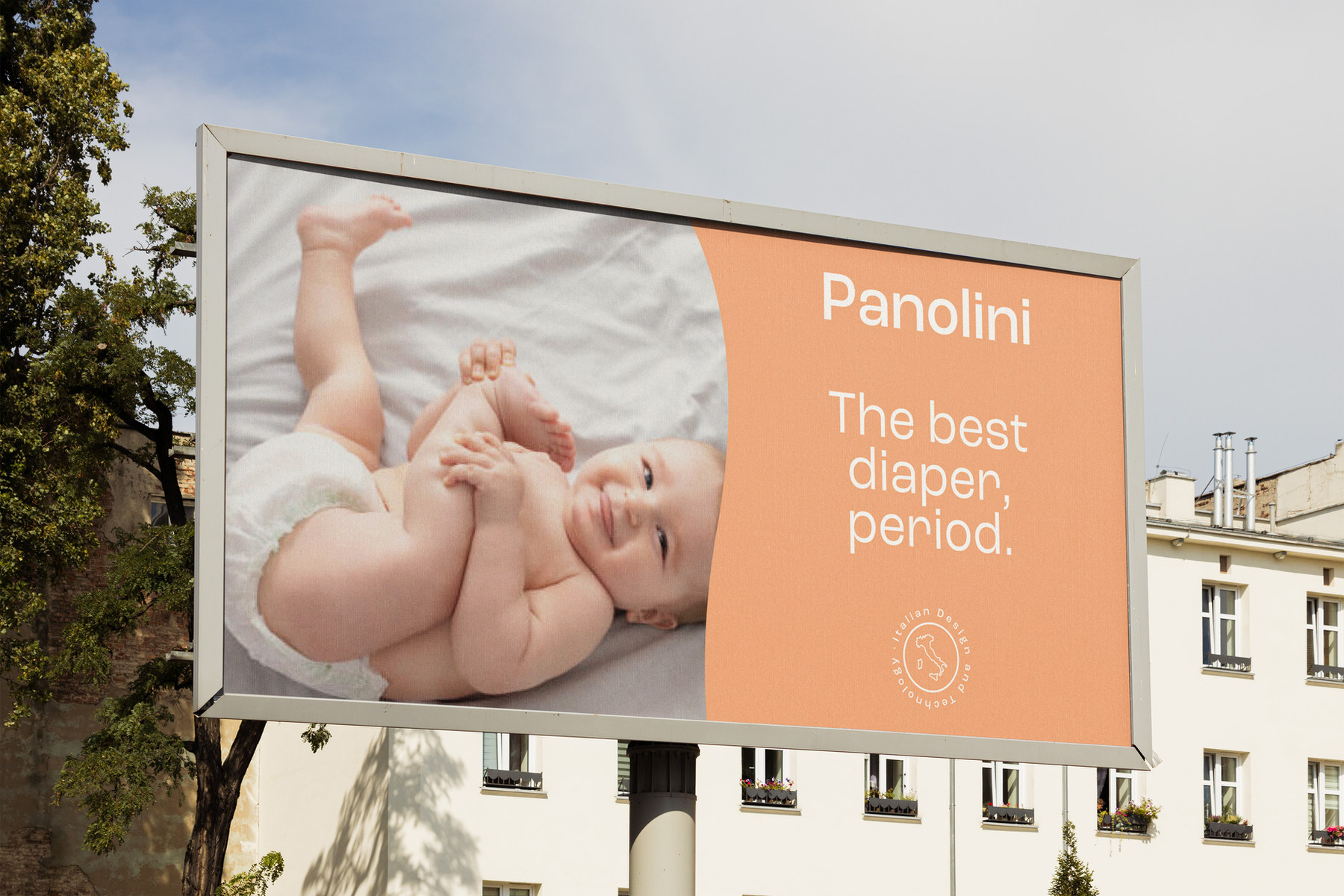 Proof · case studyPanolini: That is not a product preference. It is a definition.Baby care · read the case →