Lyft
Life is short, get a Lyft.
WHAT WE DID
StrategyCreative directionBrand positioningCampaign platformCopywritingOut of homeDigital designVideoSocial
SCROLL
In the business battle between Uber and Lyft, Lyft had become the app people chose to spend less. Cheaper is a position, but it is one the market can take back from you at any time.
The regional marketing manager in Miami called us for a campaign. We came back arguing about what the brand was for.
Uber was dominant and, in Miami, disliked in a specific way: professional, transactional, a little cold. Lyft's opening was not price. It was the part of the day Uber had never bothered to own.
So the brief we wrote for ourselves was to move Lyft from a cheaper or person to person option to a lifestyle choice. An emotional relationship instead of a fare comparison, in a city that decides everything on feeling.
Uber owns the errand. Nobody owned the good night out.
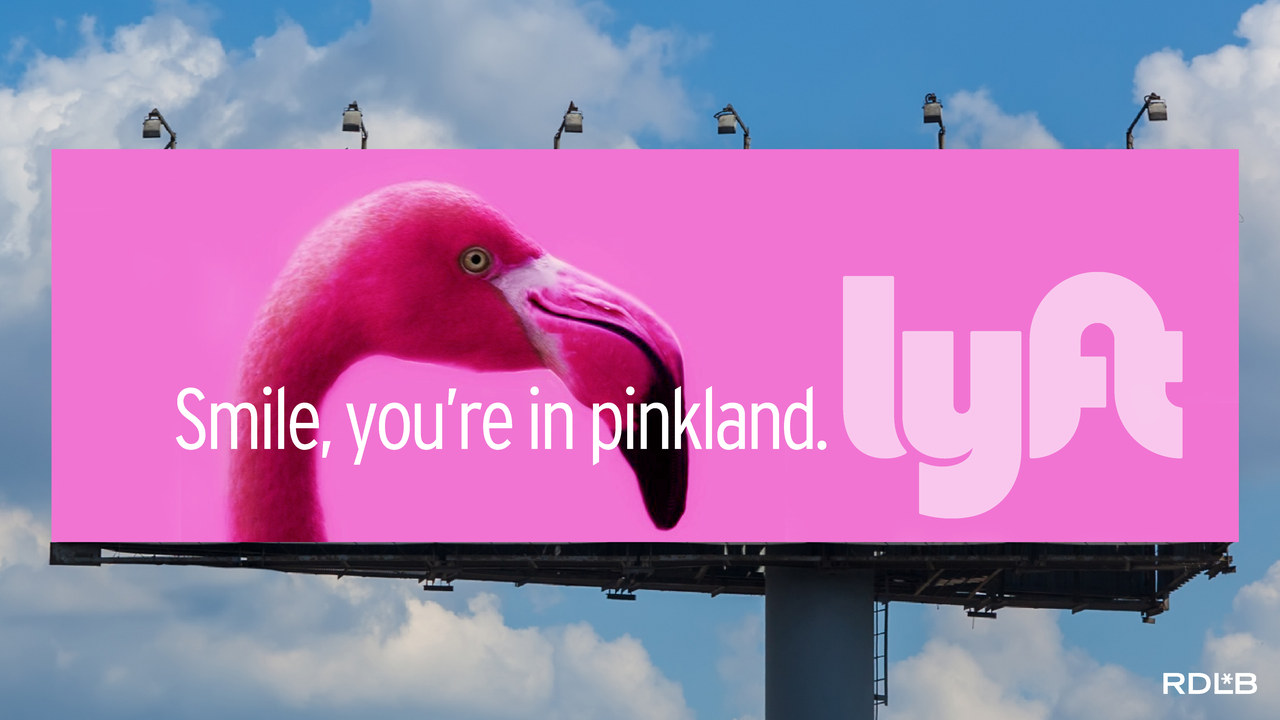
Pink is not a Lyft asset in Miami. It is a city asset: flamingos, neon, Vice, the light at seven in the evening. Taking it seriously meant the brand could borrow a feeling the city had spent forty years building.
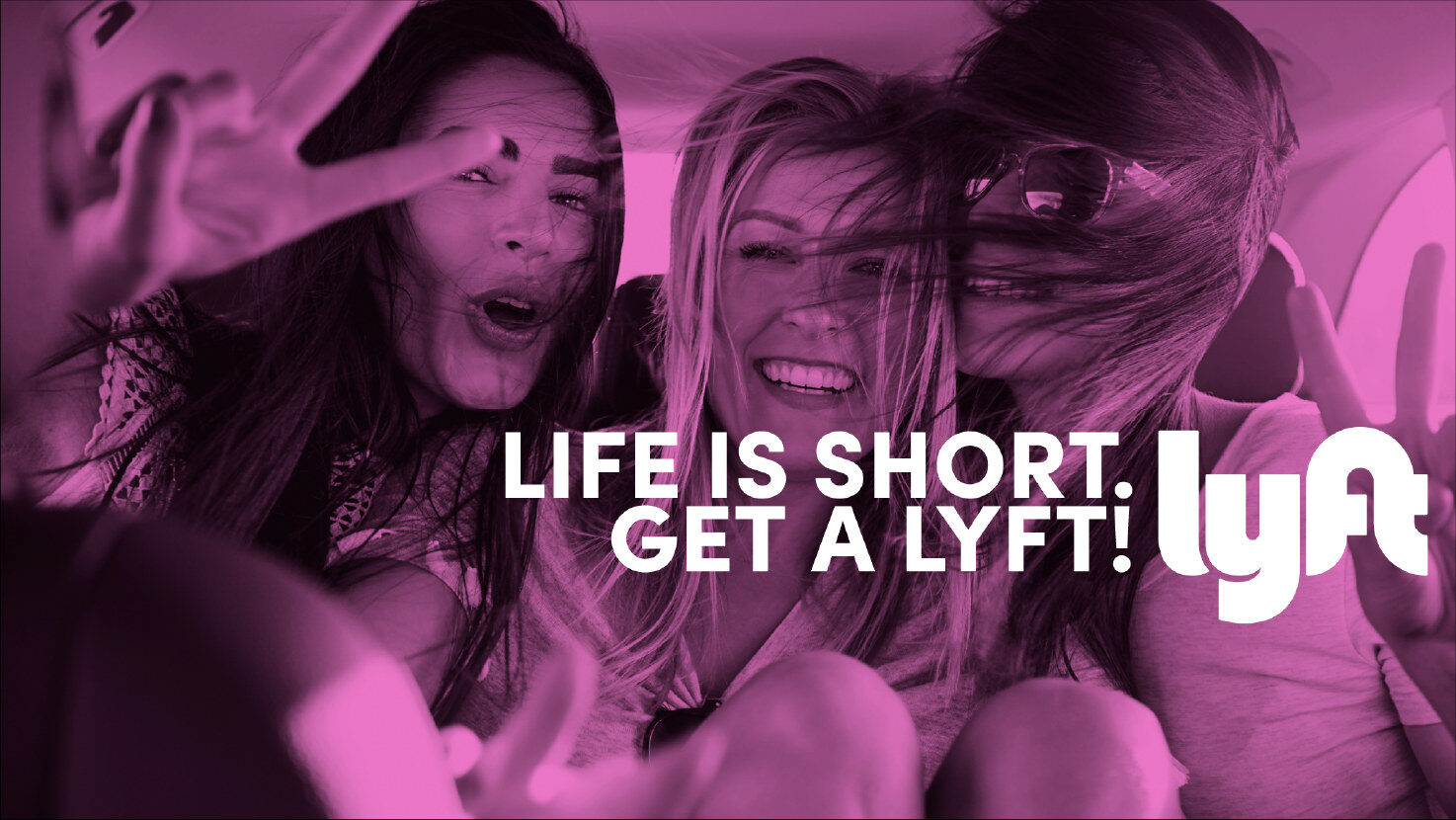
Then the line, and it had to be short enough to read from a moving car. Life is short, get a Lyft. Not a discount, not a feature. A reason.
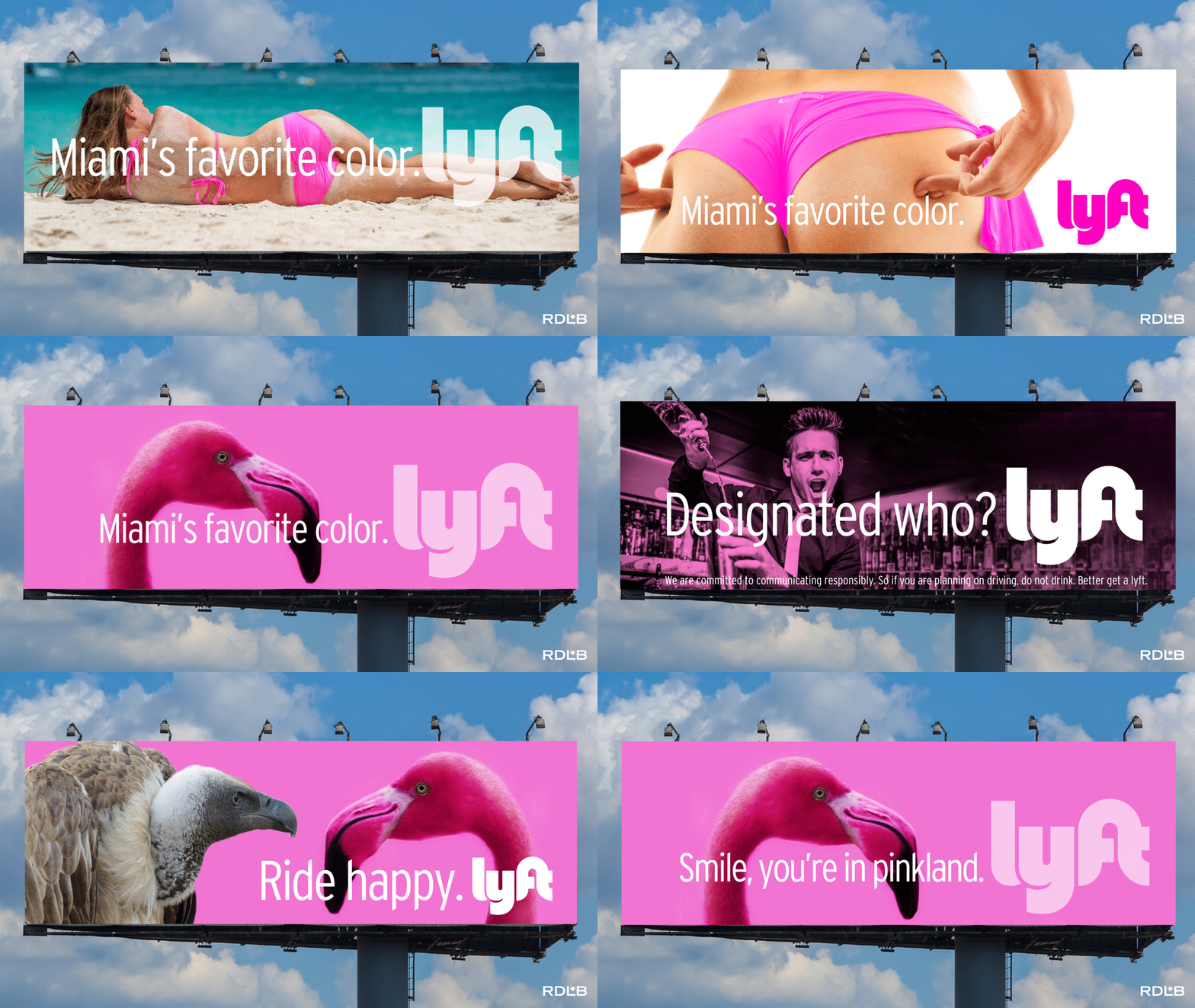
Marc Anthony is in town. The Hurricanes play tonight. Tomorrow will be 74 and sunny. The campaign was rebuilt around the city's own calendar, so every placement read as a local telling you something rather than a brand selling you something.
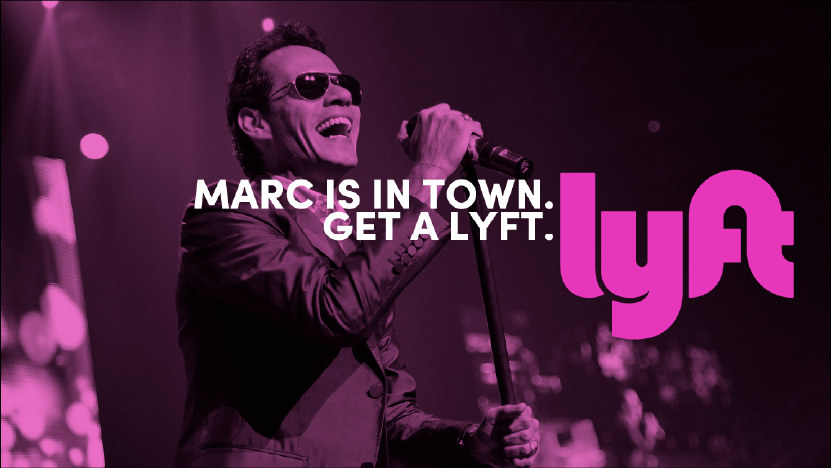
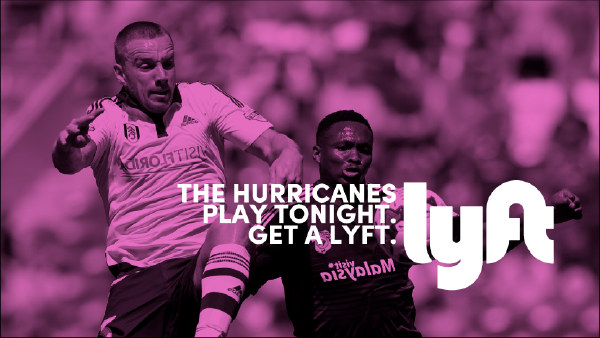
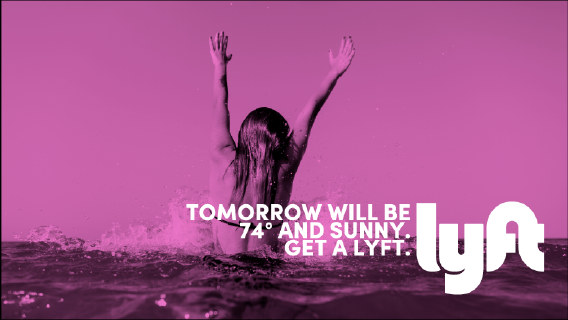
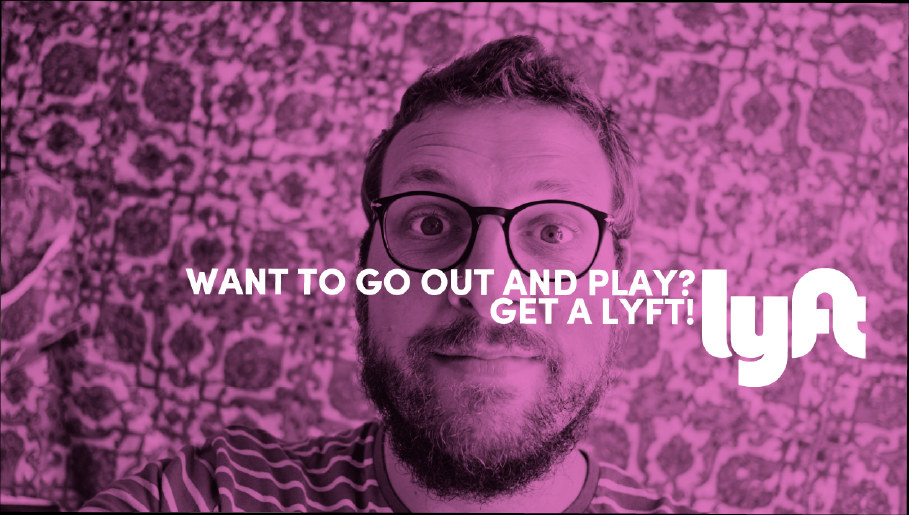

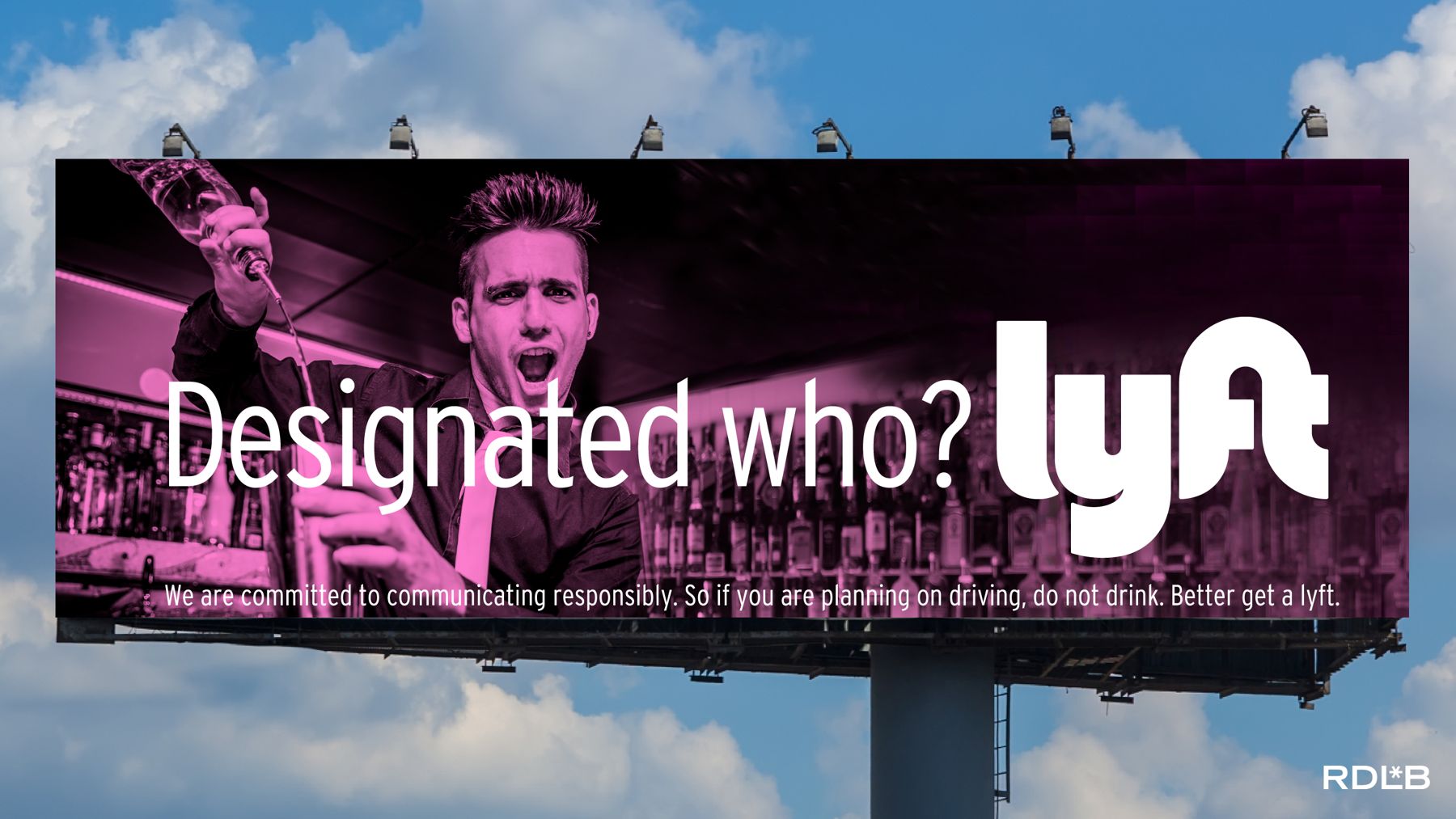
Designated who?

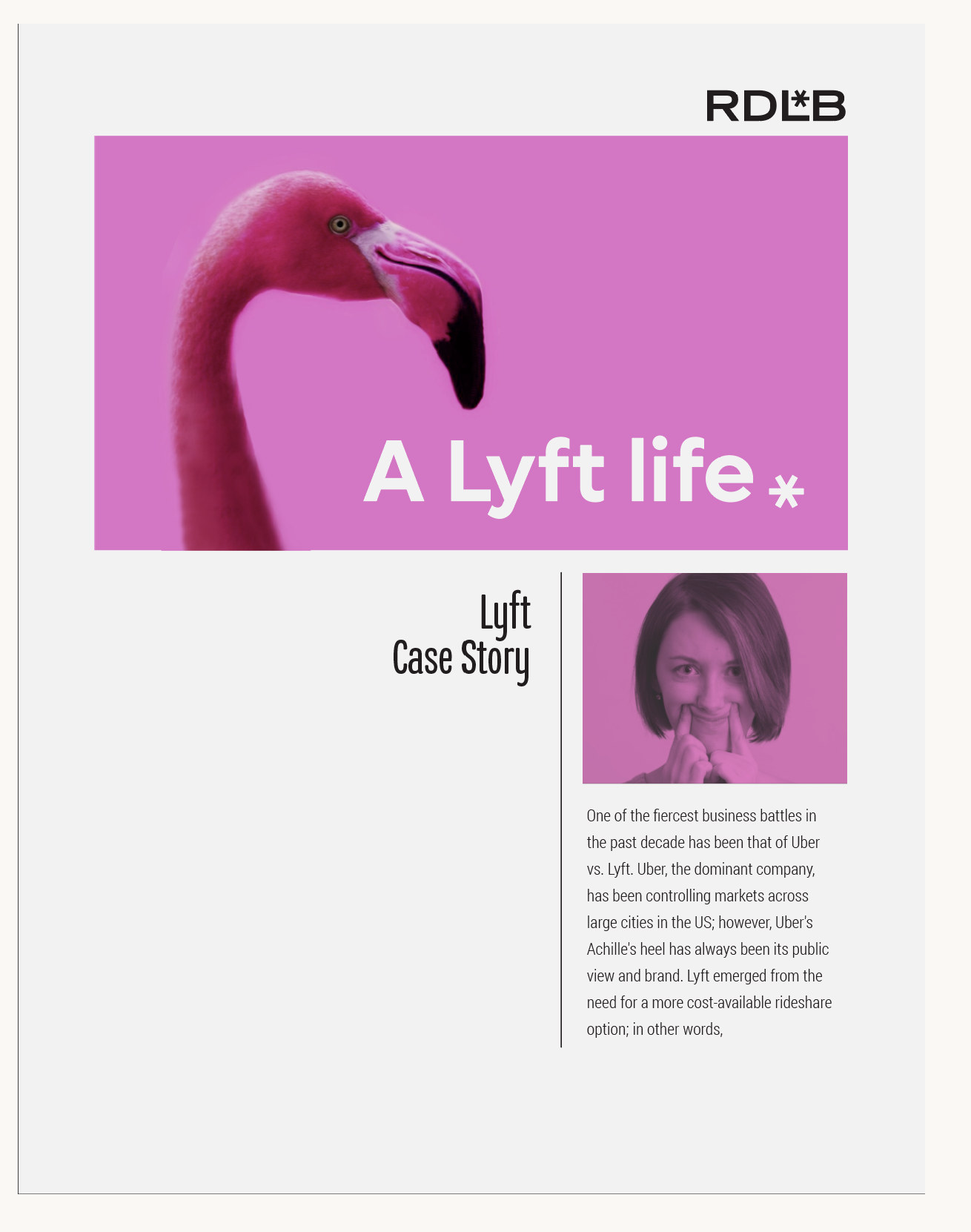
The work was not a rebrand and it was not a discount. It was a repositioning of an existing brand inside one city, built from the emotional relationship customers already had with it.
That is the argument we still make to every established brand that arrives asking for more content: look inward first. The feeling you already produce is more valuable than anything you can buy.
Her legacy is not about collecting. It is about revealing.
They are closer to first responders than to the stereotype.