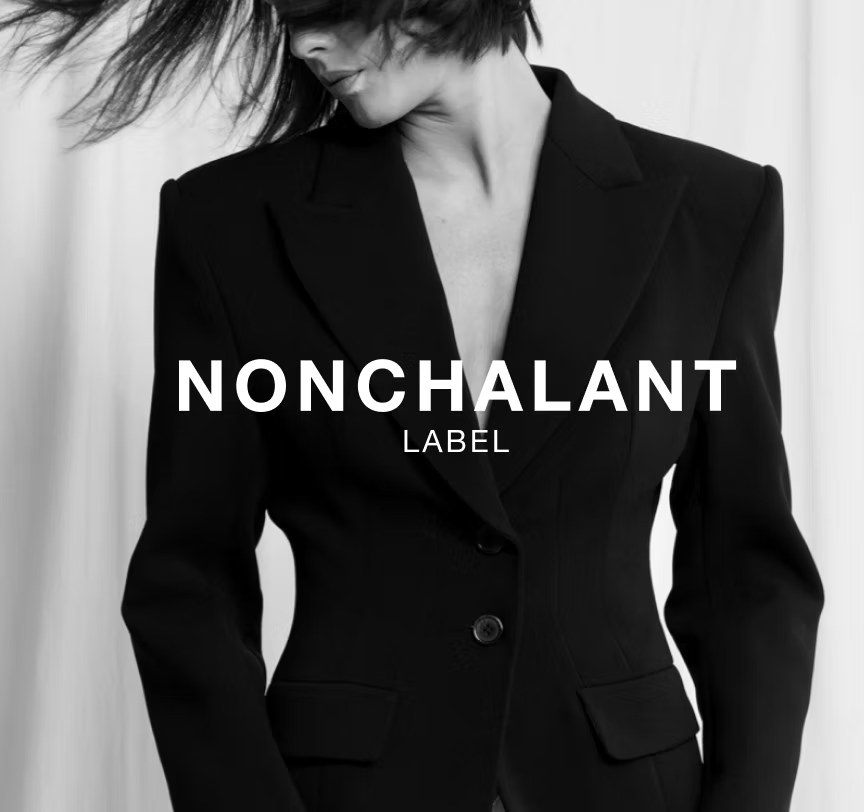
Nonchalant
Effortless, confident, unbothered.
WHAT WE DID
Competitor analysisBrand strategyCommunication pillarsIdentityVoice and toneCampaign productionFilmPhotographyContent systemMedia managementEcommerceRetail rollout
SCROLL
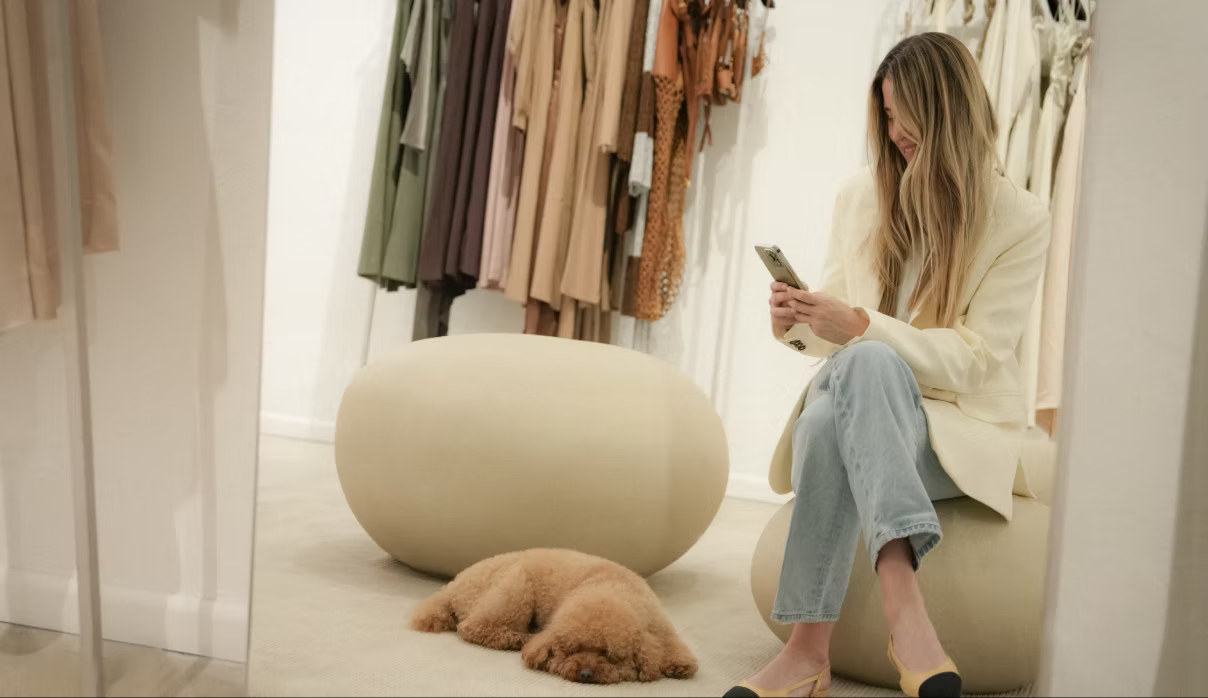
Nonchalant is a Miami label founded by Cheryl Herger, a boutique owner who had spent a career watching what women actually buy rather than what runways tell them to.
The proposition is understated fashion: luxury held at a whisper, chic without giving up simplicity or comfort. The hardest register in the category to get right, and the easiest to fake.
A competitor read showed the field split between loud logo fashion and beige minimalism with nothing behind it. Neither is a position. One shouts and one hides, and a shopper can tell within a second which she is being sold.
So the work was not a logo. It was defining a woman precisely enough that every photograph, caption and garment description could be checked against her, by anyone, without a meeting.
She is not dressing to be looked at. She is dressing to not think about it again.
Before a single image was shot we set three communication pillars. They govern content planning, film and production, media management and the brand architecture underneath. If a piece of content does not sit in one, it does not run.
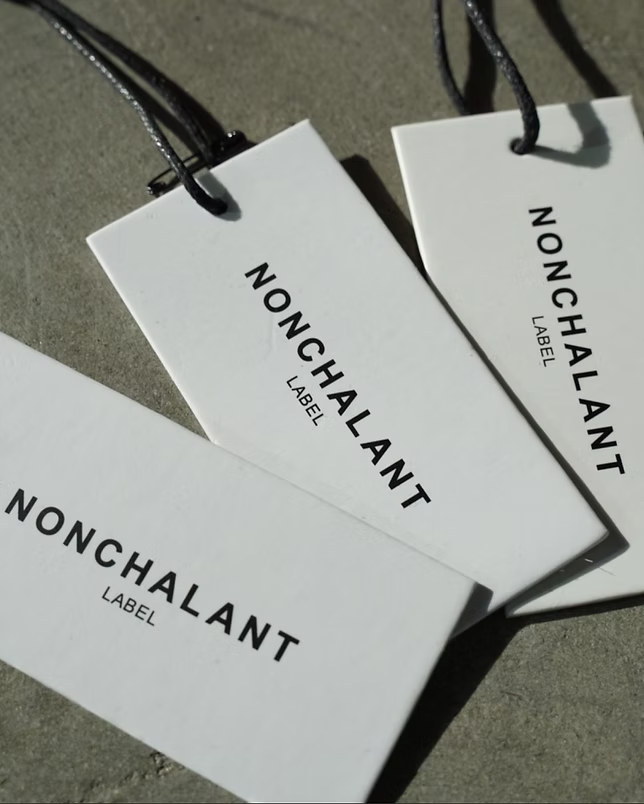
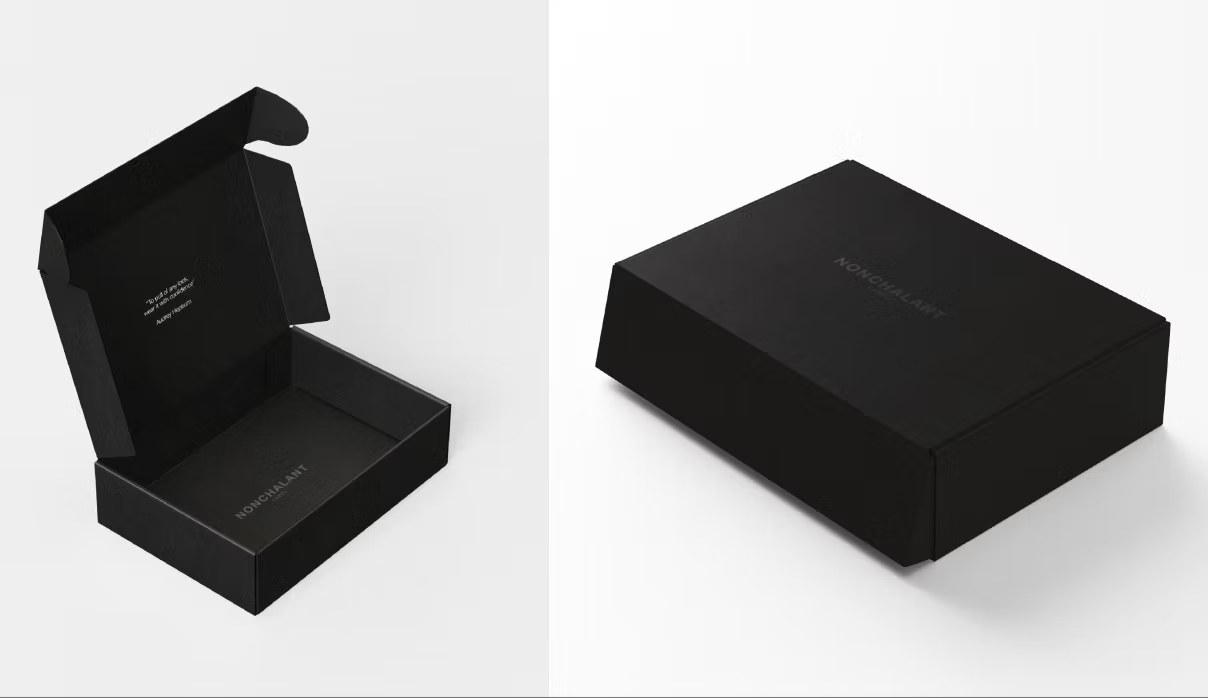
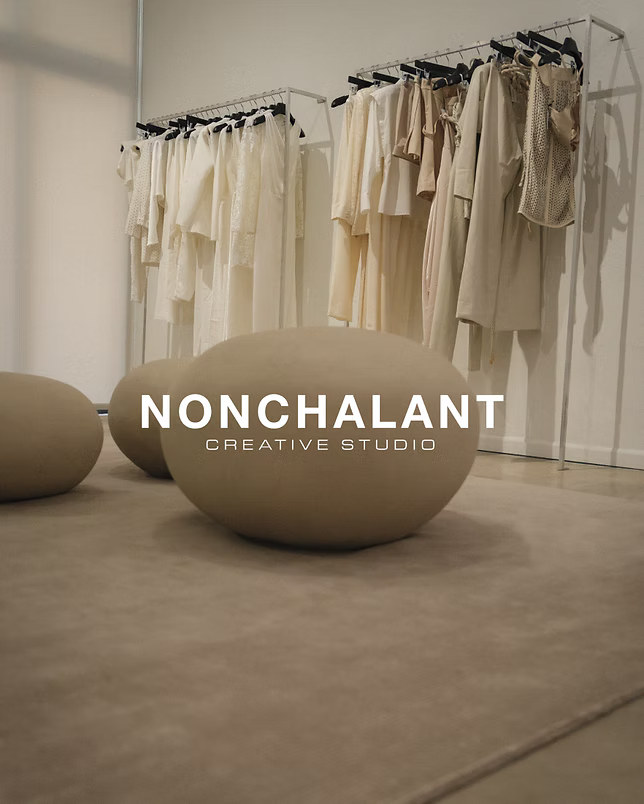
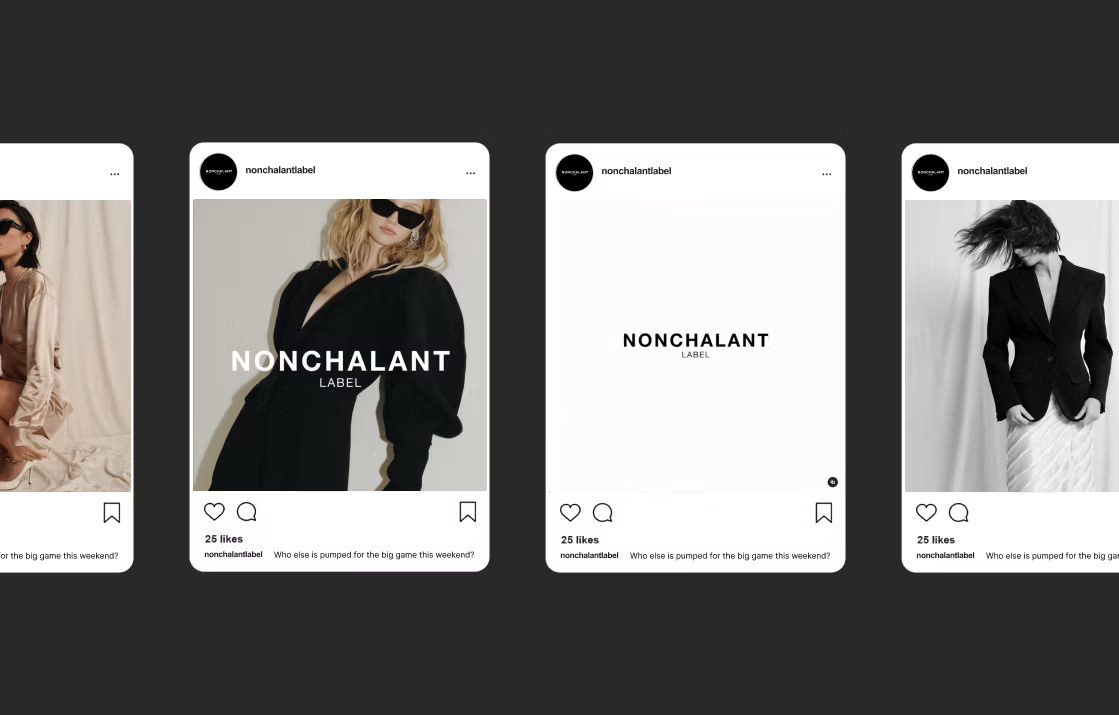
One wordmark, one weight, generous space, and a palette taken from the fabric rather than imposed on it. The identity has to disappear on a garment tag and hold on a storefront.
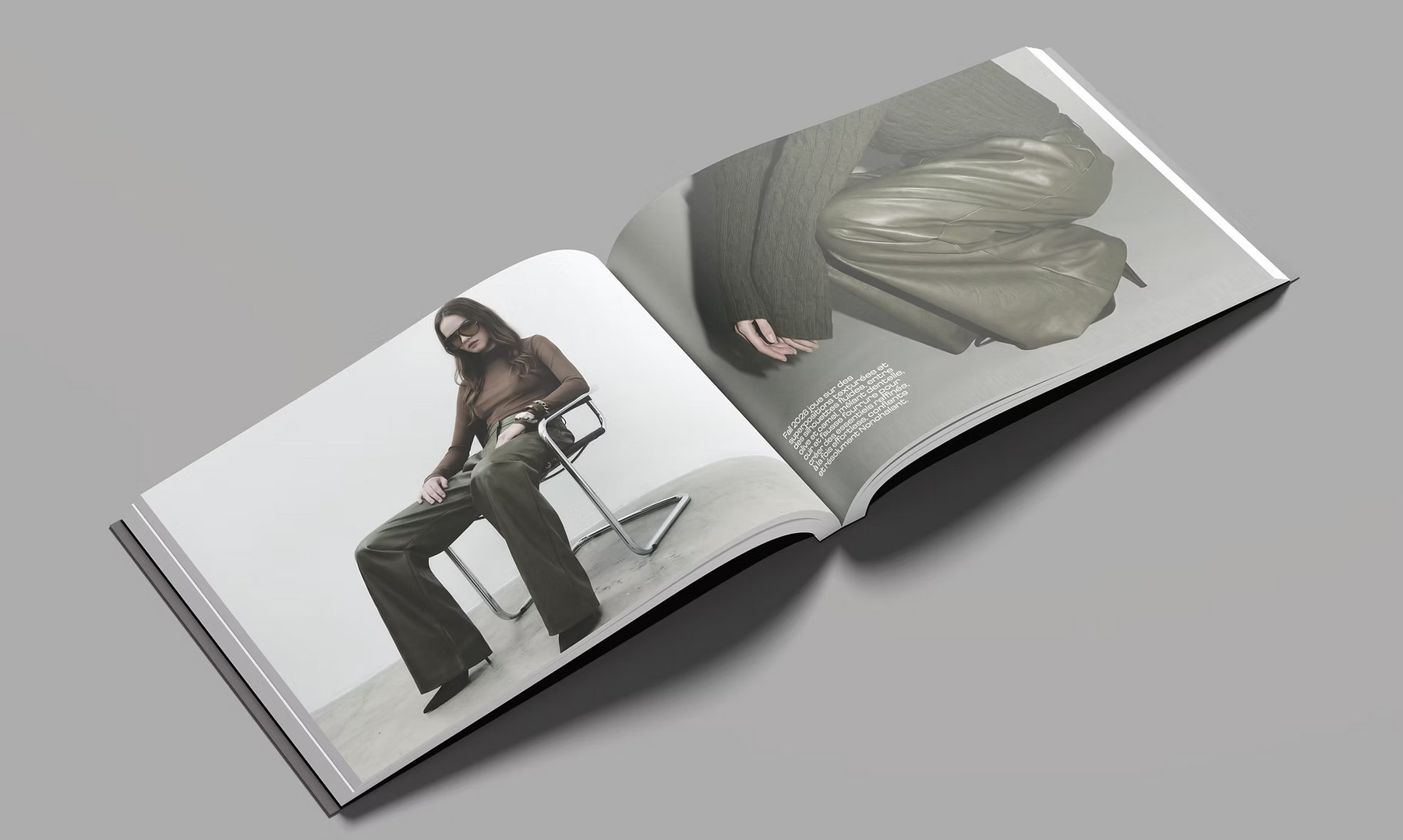
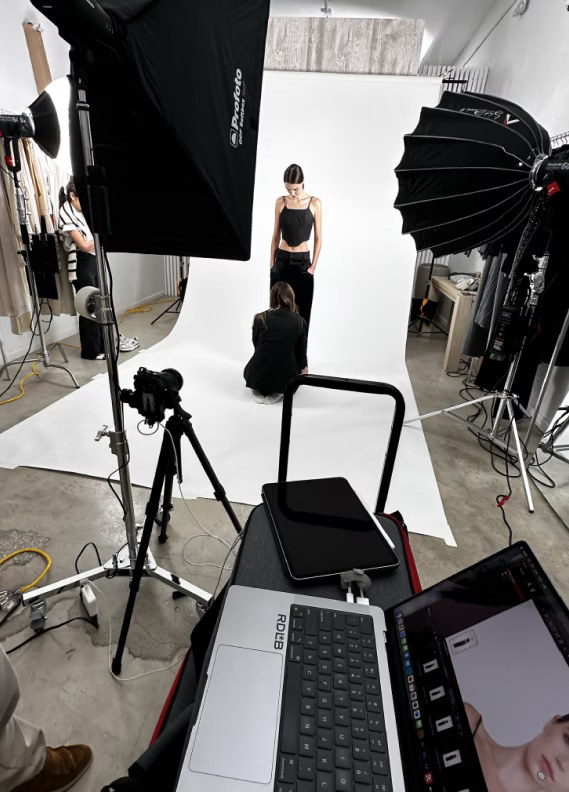
Miami models, shot in daylight and studio white, wearing the clothes the way the customer will wear them. The image has to read as a woman photographed, not a product styled.
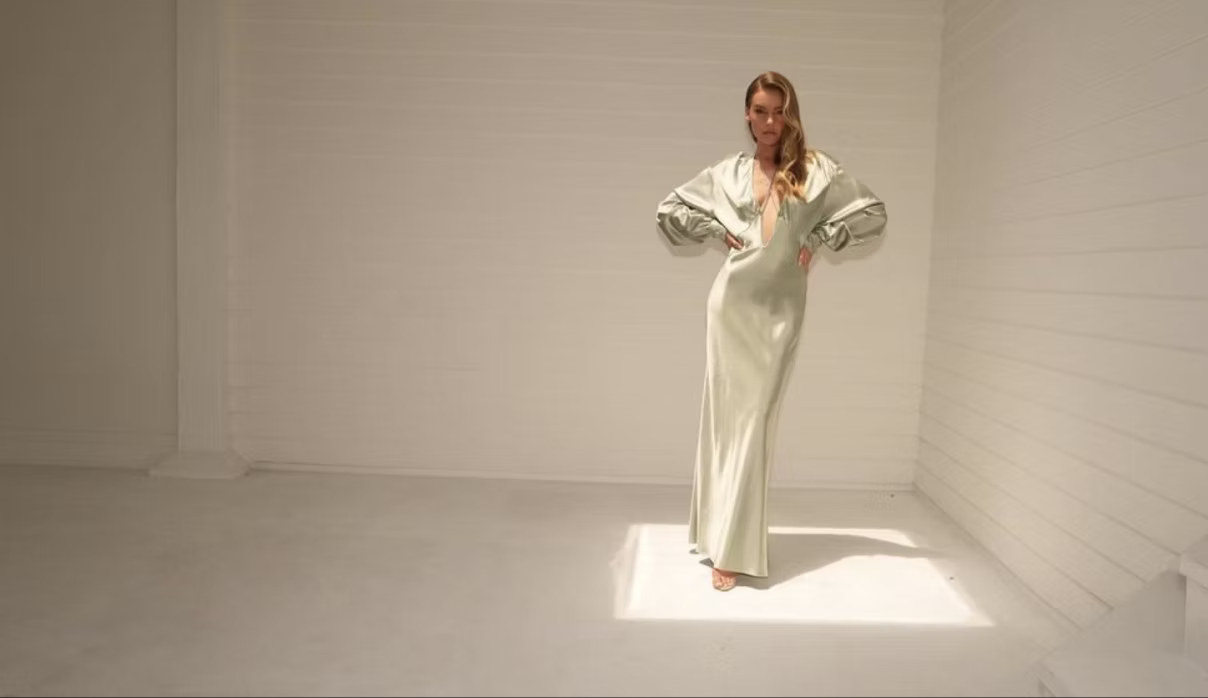
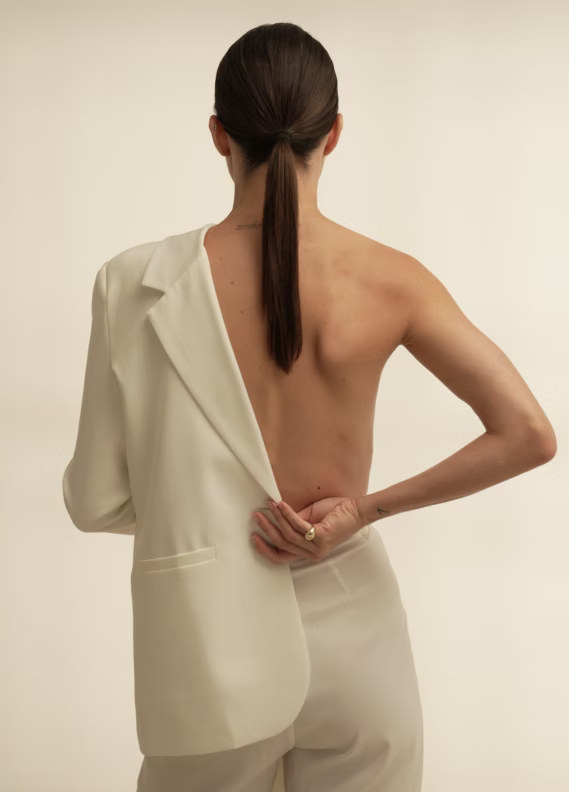
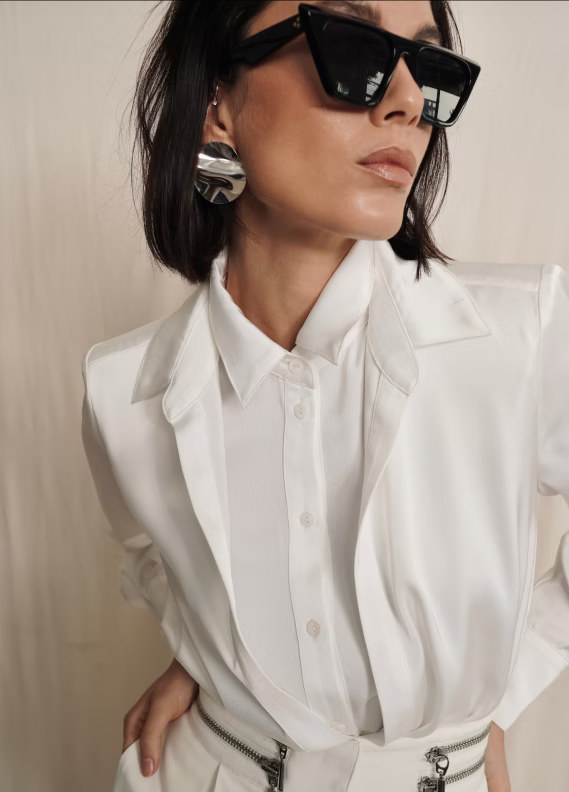

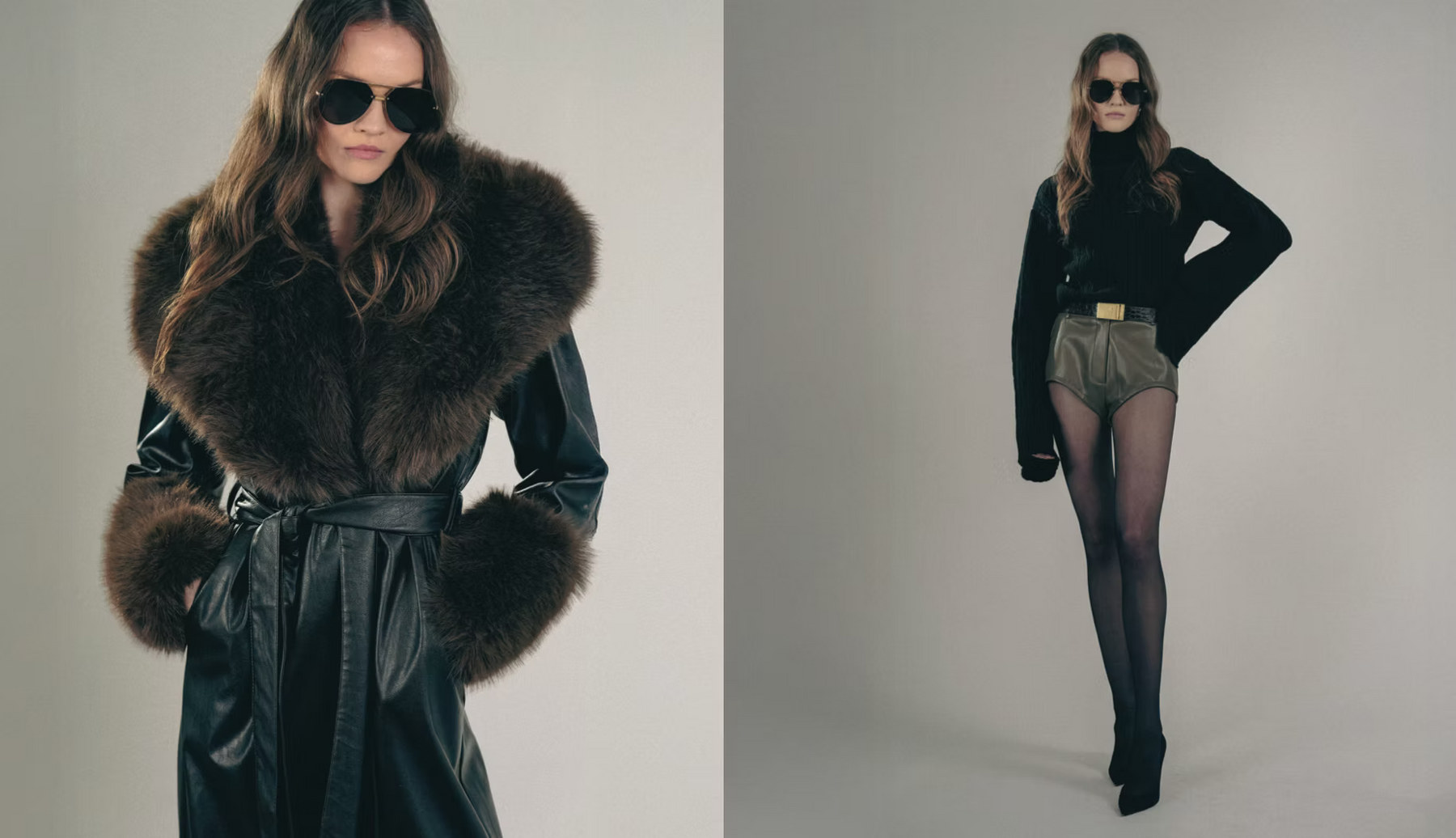
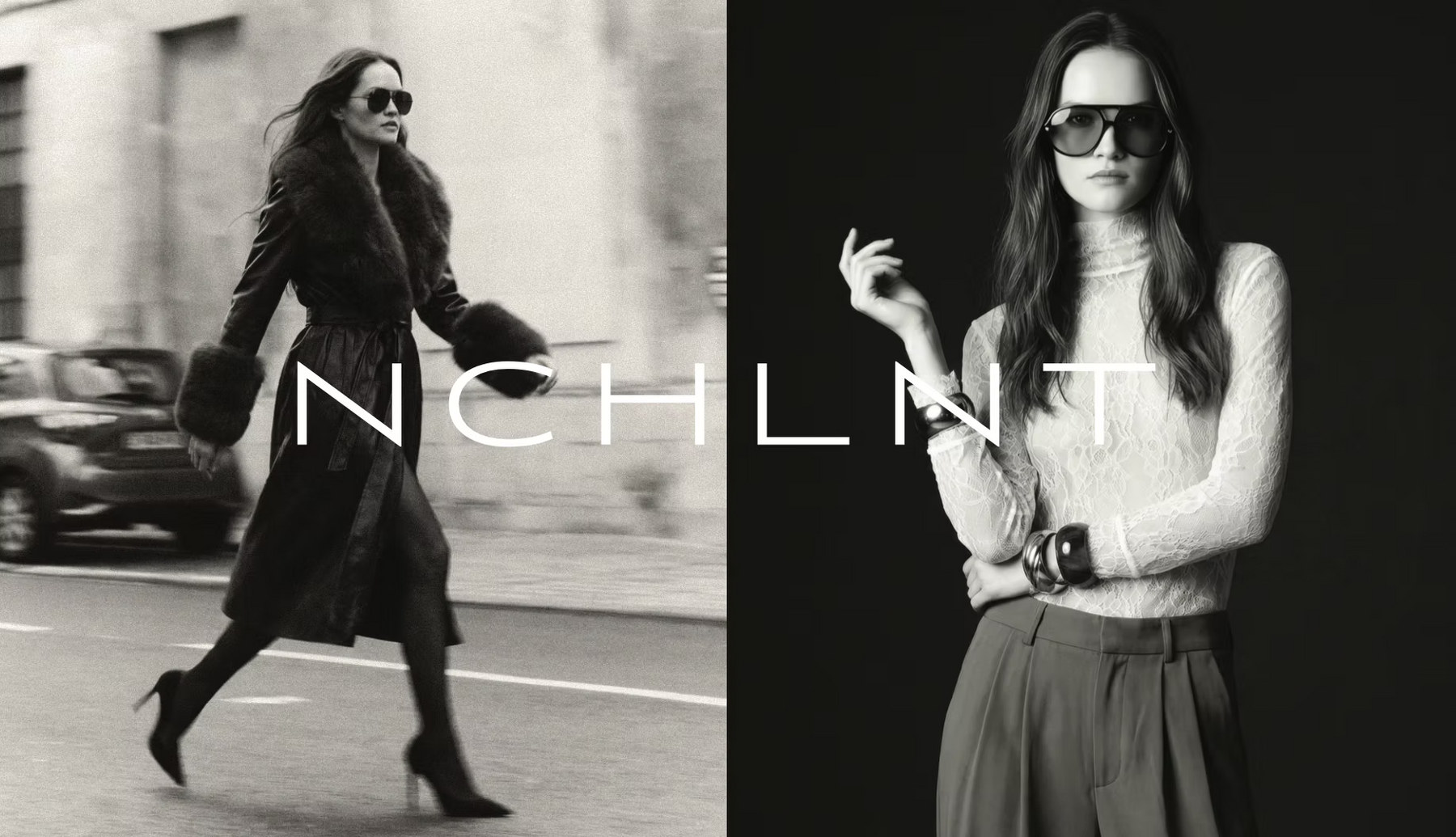
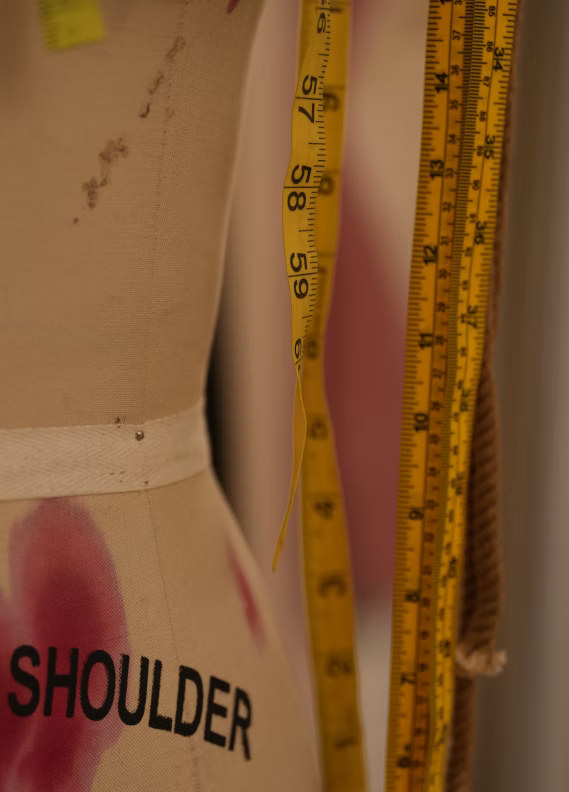
A content operation rather than a campaign shoot. Studio days planned against the three pillars, fittings documented, and a calendar that keeps the feed moving without ever raising its voice.

That simultaneity is the point. A small label gets one moment of attention, and it has to arrive everywhere at once or it does not compound.
The label grew into a recognised name in the category, and an aggressive retail approach secured Saks Fifth Avenue, Revolve and others. The quiet luxury the brand claims is now the thing the buyers repeat back.